
There’s something comforting about a hot shower after a long day. It’s one of those simple pleasures we take for granted — until the water turns cold mid-rinse, and suddenly, you’re shivering and scrambling to finish. Whether you’re tired of inconsistent temperatures or just eyeing an upgrade, the conversation around water heaters in 2026 is heating up. Let’s talk options, real-life decisions, and why calling in the pros might just be the smartest move you make this year.
When Your Water Heater Starts Acting Up…
You know the signs. Lukewarm showers. Weird rumbling noises. That slight metallic smell in the steam. If your water heater is pushing 10+ years, it’s not just aging — it’s probably costing you more in utility bills than it should.
Now, replacing a water heater isn’t exactly thrilling — it’s not like buying a new couch or upgrading your phone. But the payoff? It’s massive in terms of comfort, efficiency, and even resale value for your home.
The Tank vs. Tankless Debate (Let’s Settle This)
Old-school tank water heaters work like a giant thermos — storing hot water until you need it. They’re familiar, they get the job done, but they’re also big, not super-efficient, and tend to run out of hot water just when you need it most.
On the flip side, tankless water heaters are like the cool, minimalist cousin. They heat water on-demand, which means no running out mid-shower. Plus, they’re smaller, sleeker, and often more energy-efficient in the long run. Yes, the upfront cost is higher, but if you’re in your “let’s make smart investments” era, this one’s a solid contender.
Calling in the Experts: Why It’s Not a DIY Job
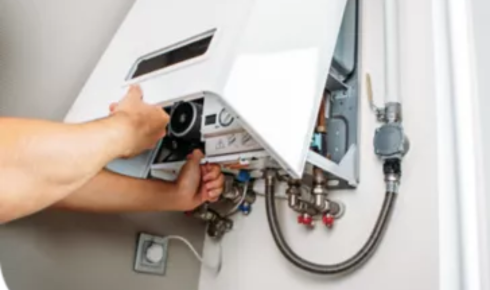
Here’s the thing — replacing or repairing a water heater isn’t a weekend project you tackle with YouTube tutorials and a trip to Home Depot. Water heaters involve electricity, gas lines, pressure valves, and local code compliance. One wrong step could mean leaks, mold, or even a safety hazard.
That’s where water heater technicians come in. These folks are trained to spot issues you won’t notice, install systems correctly, and even help you choose the right model for your family size and usage habits. Think of them as the electricians of the hot water world — worth every penny when you value peace of mind.
Real Talk: What’s Water Heater Service Actually Like?
If you’re imagining some gruff guy trudging into your basement, grumbling while he fiddles with knobs, you’ve got it all wrong. Today’s water heater service is a lot more professional — and a lot more tech-savvy.
Technicians often come with digital tools, diagnostic software, and even eco-friendly disposal services for your old unit. Some services include flush-outs to remove mineral buildup, anode rod checks (you’d be surprised how important that is), and safety inspections to make sure your pressure relief valve doesn’t turn your heater into a geyser. Maintenance may not be glamorous, but it’s essential.
Money, Energy, and the Long Game
Let’s talk numbers for a second. Energy bills are creeping up everywhere, and water heaters can account for about 20% of your home’s energy use. That’s a big chunk. Upgrading to an efficient model — tankless or not — can shave off serious costs over the years.
Plus, if you’re thinking of selling your house in the next few years, an upgraded water heater is one of those behind-the-scenes details that savvy buyers appreciate. It shows the home’s been cared for and reduces the “surprise repair” fear that keeps some buyers up at night.
Gas or Electric? It’s Not Just About the Bill
Gas heaters tend to heat faster and work during power outages — bonus points if you’re in a storm-prone area. Electric models are usually easier to install and maintain but might be slower to heat and a bit pricier to run depending on your local rates.
Ask your technician what makes sense for your home’s layout, your hot water habits, and your energy goals. It’s not a one-size-fits-all deal — it’s about tailoring the setup to your lifestyle.
Maintenance Isn’t Optional — It’s Smart
Letting your water heater go unchecked is like never changing your car’s oil. Eventually, things wear out, and you’ll find yourself paying for a replacement when a simple tune-up could’ve done the trick.
Flush it out once a year. Keep an eye (and ear) on any strange noises. Schedule regular checkups even if nothing seems wrong. This stuff matters. A little attention can extend your system’s lifespan by years — and prevent messy disasters down the line.
Don’t Fall for the Lowest Bid
We all want to save money, but when it comes to installations and servicing, cheaper isn’t always better. A suspiciously low quote can mean poor installation, reused parts, or skipped steps. When it’s about safety and performance, go with licensed professionals, verified reviews, and transparent pricing.
A good company won’t just sell you a heater. They’ll walk you through your options, explain warranty details, and even help you file for local rebates if you qualify (yep, that’s a thing).
So, Should You Upgrade This Year?
If you’re already Googling “Why is my hot water brown?” or your heater’s been around since flip phones were cool — the answer is yes. Don’t wait for a total breakdown to make the switch. Proactive replacement puts you in control of timing, budget, and brand choice — rather than scrambling during an emergency.
Even if your current heater still works, a quick consultation won’t hurt. You might find a newer, quieter, more efficient model that fits your needs better. Sometimes, a small change (like insulating the tank or switching to a smart thermostat) makes a noticeable difference without breaking the bank.
Final Thoughts: Comfort Is Worth the Investment
We tend to overlook the things that work — until they don’t. Hot water is one of those daily luxuries that quietly fuels our lives. So don’t treat your water heater like an afterthought.
Talk to pros. Explore your options. Budget wisely. And most of all — prioritize your comfort. A warm shower on a cold morning? That’s more than plumbing. That’s peace of mind.