
Water is one of those things a business depends on without always realizing how much it matters. It runs through kitchens, bathrooms, boilers, ice machines, beverage equipment, cleaning systems, and sometimes directly through manufacturing processes. When water quality becomes a problem, the effects can spread farther than expected.
Mineral scale can slow down equipment. Sediment can clog components. Poor-tasting water can affect beverages and customer satisfaction. And when a treatment system isn’t sized correctly, even good equipment can struggle under heavy demand.
The answer isn’t necessarily to install the biggest system available. It’s to understand the water and choose treatment that fits the business.
Start With a Water Quality Test
Before selecting commercial equipment, find out what you’re dealing with. A water test can provide useful information about hardness, pH, iron, sediment, dissolved solids, and other characteristics.
This matters because different treatment technologies are designed for different problems. A system that handles hard water may not address sediment or a particular dissolved contaminant.
Testing also gives business owners a baseline. If water conditions change later, those results can help professionals understand what has changed and whether the existing treatment needs adjustment.
It’s a simple step, but it can prevent some expensive guesswork.
Managing Hard Water in Commercial Facilities
Hard water contains minerals such as calcium and magnesium. In a busy commercial environment, those minerals can create scale inside water heaters, pipes, dishwashers, boilers, coffee equipment, and other components.
Over time, the buildup may affect performance and increase maintenance requirements.
This is where commercial water softeners can be useful. They are designed to reduce hardness minerals before treated water reaches the facility’s equipment and fixtures.
Proper sizing is important. A restaurant with high peak demand needs a different approach from a small office. Flow rate, water consumption, hardness level, and operating schedule should all be considered before choosing a unit.
Filtration Does a Different Job
Softening and filtration aren’t interchangeable. While a softener primarily addresses hardness, filtration systems can be designed to reduce sediment, improve taste and odor, or address particular water-quality concerns.
For example, sediment filtration may be helpful when incoming water contains visible particles. Carbon filtration is often used to improve taste and odor and reduce certain chemicals.
The correct filtration method depends on the water analysis and the intended application. There’s no magic filter that handles everything, despite what some product descriptions might suggest.
When Reverse Osmosis Makes Sense
Some businesses need a higher level of treatment for drinking or process water. In those situations, reverse osmosis can be worth considering.
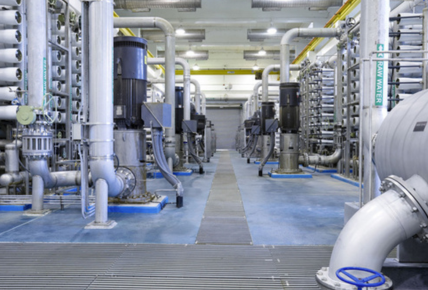
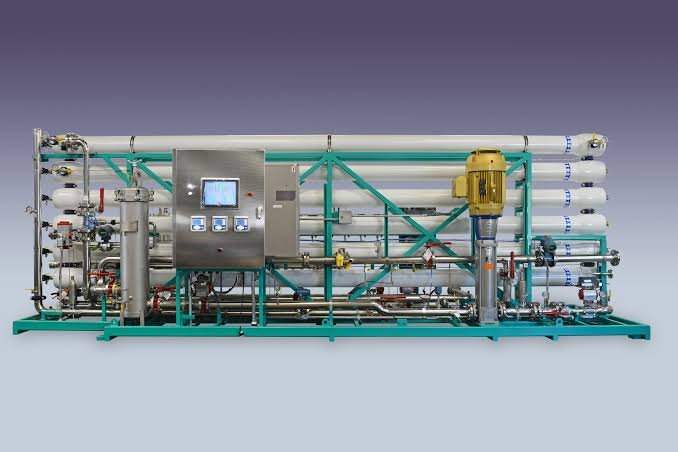
RO systems use a semipermeable membrane to reduce many dissolved substances from water. They’re commonly used in food and beverage operations, restaurants, laboratories, and other settings where water quality requirements are more demanding.
Reverse osmosis isn’t automatically the right choice for every business, though. It can require pretreatment, appropriate water pressure, regular filter and membrane replacement, and careful system design.
The application should determine whether RO makes financial and practical sense.
Protecting Commercial Equipment
Commercial equipment can represent a significant investment. Replacing a water heater, dishwasher, beverage system, or process component isn’t exactly something most business owners want on their calendar.
Water treatment can help reduce certain water-related stresses. Controlling hardness can limit scale. Filtration can help manage sediment. Specialty treatment may address specific contaminants identified during testing.
Still, treatment should be considered part of a broader maintenance strategy rather than a replacement for maintenance itself.
Equipment should continue to be inspected and serviced according to manufacturer recommendations.
Peak Demand Is Easy to Underestimate
Water use isn’t always steady throughout the day.
A restaurant may use relatively little water in the afternoon and then suddenly need huge amounts during dinner service. A hotel may experience heavy demand each morning. A manufacturing operation could have specific production cycles that require large volumes of treated water.
That’s why system capacity matters.
A treatment system should be designed around realistic peak flow, not just average daily usage. Otherwise, pressure drops or insufficient treatment can become frustrating operational problems.
Don’t Forget Operating Costs
Buying equipment is only the beginning. Businesses should consider what happens after installation.
Replacement filters, salt, electricity, membranes, maintenance visits, wastewater, and other operating expenses can all affect the long-term cost of a treatment system.
A cheaper system may look attractive at first, but if it requires frequent service or expensive replacement components, the savings can disappear.
Ask for a clear picture of ongoing costs before making a decision. It’s much easier to budget for maintenance when you know what to expect.
Maintenance Keeps the System Reliable
Even the best treatment equipment needs attention.
Filters eventually become loaded. Softener components need servicing. RO membranes require replacement. Valves and controls may need inspection.
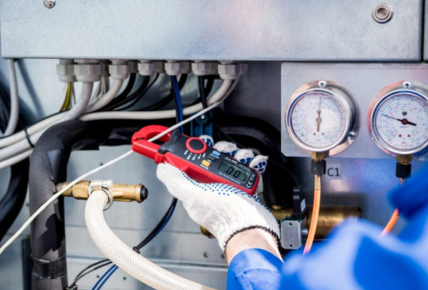
A simple maintenance schedule can help prevent small issues from becoming operational headaches.
For businesses, scheduled maintenance is particularly valuable because unexpected water-treatment problems can interrupt normal operations. A few planned service hours are generally easier to manage than an emergency repair during the busiest part of the day.
Choosing a Treatment Provider
The company installing the system is almost as important as the equipment itself.
Look for a provider who asks questions about water usage, facility size, peak demand, existing plumbing, and the actual application. They should be willing to explain why a particular technology is being recommended.
A good provider should also discuss maintenance and long-term operating costs, not just the initial installation price.
And don’t be afraid to ask basic questions. If someone can’t explain the system in plain English, that’s a useful warning sign.
A Practical Approach to Commercial Water Quality
There is no single commercial water treatment setup that works for every business. Some facilities need softening. Others need filtration. Certain applications may benefit from reverse osmosis or multiple treatment stages working together.
The smartest approach is to start with the water, understand the business’s actual needs, and build from there.
When treatment is properly designed and maintained, it can help protect equipment, support consistent operations, improve water quality, and reduce avoidable maintenance problems.
Water may not be the most exciting part of running a business. But when it works properly, you barely notice it—and that’s often exactly what good commercial water treatment is supposed to achieve.