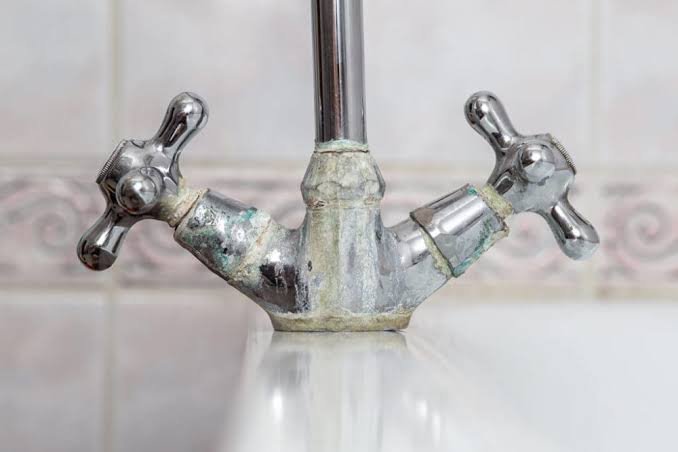

Water is one of those things we rarely question. Turn on the faucet, fill a glass, start the washing machine—it all happens almost automatically. But if your home has hard water, every one of those everyday moments could be leaving behind tiny changes that add up over time.
Unlike obvious plumbing emergencies, hard water works quietly. You don’t wake up one morning to find your pipes ruined or your appliances broken. Instead, the effects build little by little until you suddenly realize your dishwasher isn’t cleaning properly, your showerhead barely sprays, or your favorite coffee maker isn’t performing the way it once did.
It’s easy to blame old appliances or cheap cleaning products, but sometimes the issue starts with something far simpler: the minerals hiding in your water.
What Makes Water “Hard”?
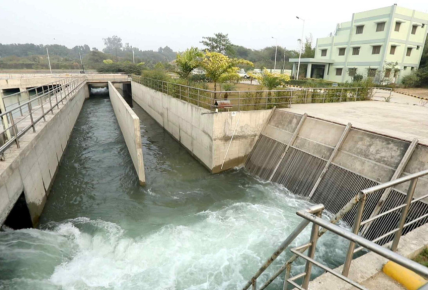
Hard water contains naturally occurring minerals, primarily calcium and magnesium. As groundwater moves through layers of limestone and other mineral-rich rock, it dissolves small amounts of these elements before reaching homes.
There’s nothing unusual about it. In fact, millions of households receive hard water every day. It’s generally safe to drink, but those dissolved minerals don’t disappear after the water evaporates. Instead, they stay behind, gradually collecting on surfaces and inside plumbing.
Because the process is so slow, many homeowners don’t recognize what’s happening until the effects become difficult to ignore.
Small Changes That Become Bigger Problems
One of the interesting things about hard water is how ordinary its symptoms seem.
Maybe your shower pressure has weakened over the years. Perhaps your kettle takes longer to boil, or your washing machine doesn’t seem quite as effective anymore.
Each issue feels separate, but together they often point toward one common cause.
Over months and years, mineral buildup forms inside pipes, faucets, water heaters, and household appliances. Even a thin layer of deposits can reduce efficiency, forcing equipment to work harder while consuming more energy.
That’s why many homeowners experience higher maintenance costs without ever realizing their water quality may be contributing to the problem.
Why Bathrooms Need Constant Cleaning
If cleaning the bathroom feels like an endless cycle, hard water could be part of the reason.
Minerals react with soap, preventing it from rinsing away completely. Instead of washing cleanly down the drain, it leaves behind a dull, sticky film that clings to shower walls, bathtubs, faucets, and tiles.
That familiar layer of soap scum doesn’t just look unpleasant—it also traps dirt and makes surfaces harder to clean over time. Even after a thorough scrub, the residue often returns surprisingly quickly.
It’s frustrating because it can feel like your cleaning efforts never quite last.
Kitchen Surfaces Tell the Story Too
The kitchen often reveals hard water problems before anywhere else.
Coffee makers develop scale. Kettles collect chalky deposits. Sink faucets lose their shine, and stainless-steel fixtures become harder to polish.
Dishwashers also struggle when minerals interfere with detergent performance. Instead of sparkling glasses, homeowners often find cloudy finishes and spotted dishes waiting inside the machine.
Many people assume they need a better dishwasher detergent. Sometimes they do—but often the water itself is the bigger issue.
Laundry Isn’t Always as Clean as It Looks
Fresh laundry should feel soft, smell pleasant, and look bright.
Hard water changes that in subtle ways.
Minerals remain trapped within fabric fibers after washing, making towels rougher and clothing feel slightly stiff. Colors may gradually fade, while white fabrics lose their crisp appearance over time.
People often compensate by adding more detergent or fabric softener, but that solution isn’t always effective. Hard water reduces soap efficiency, meaning extra detergent can sometimes create additional residue instead of cleaner clothes.
It’s a cycle that many households unknowingly repeat for years.
Your Water Heater Works Harder Than You Think
Water heaters are among the hardest-working appliances in any home, and unfortunately they’re also among the most affected by hard water.
As heated water releases dissolved minerals, those particles settle inside the tank or around heating elements.
Eventually, the heater needs more energy to produce the same amount of hot water. That extra effort increases electricity or gas consumption while placing unnecessary stress on the entire system.
The difference might seem small on a monthly utility bill, but over several years it can become surprisingly expensive.
Regular maintenance helps, though addressing the water quality itself often provides longer-lasting benefits.
Everyday Comfort Can Change Too
Many homeowners notice changes that don’t involve plumbing at all.
Hair may feel dull after washing. Skin sometimes feels dry even after using moisturizing soap. Glass shower doors lose their crystal-clear appearance faster than expected.
None of these issues happen overnight, which makes them easy to overlook.
Eventually, however, people begin realizing they’re spending more time cleaning, buying stronger products, replacing appliances sooner, or searching for solutions that only treat the symptoms instead of the source.
Sometimes better water quality quietly improves daily life in ways people never expected.
Practical Ways to Reduce Hard Water Effects
You don’t necessarily have to live with hard water forever.
The first step is testing your home’s water hardness. Once you understand the mineral levels, choosing an appropriate solution becomes much easier.
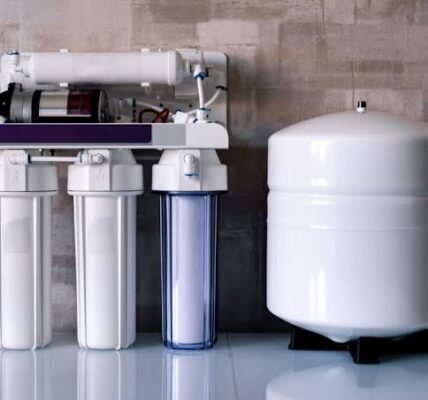
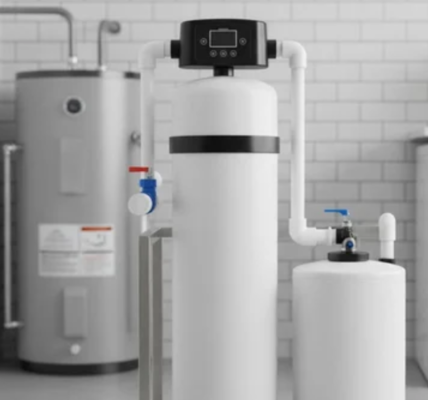
Many homeowners install water softeners, while others prefer salt-free conditioning systems or whole-house filtration depending on their needs.
Routine maintenance also makes a difference. Cleaning showerheads, descaling kettles, flushing water heaters, and using cleaning products designed for hard water can help reduce ongoing problems.
Small preventative steps today often prevent larger repair bills later.
Better Water Makes Everyday Living Easier
Hard water isn’t dramatic, and maybe that’s why it’s so often ignored. It quietly affects plumbing, appliances, cleaning routines, laundry, and even personal comfort without demanding immediate attention.
Yet those small inconveniences slowly become larger expenses if left unchecked.
Understanding how hard water behaves gives homeowners the opportunity to make smarter decisions before mineral deposits create long-term damage. Whether that means installing a treatment system or simply paying closer attention to maintenance, the investment usually pays for itself over time.
At the end of the day, good water isn’t something most people notice. That’s actually the point. When your water works the way it should, everything else around your home tends to work a little better too.