Water should be simple. Turn on the faucet, fill a glass, drink. Yet many homeowners eventually notice something that makes them pause — an odd taste, a strange odor, mineral buildup around the sink, or water that just doesn’t seem as pleasant as it used to.
That’s when water treatment starts making sense. But before choosing a filtration system, there’s a better question to ask: what is actually in your water?
Understanding your water first can help you avoid unnecessary equipment, make smarter decisions, and find a solution that fits your household instead of simply buying the first system that looks impressive online.
Start With a Water Test
Water quality problems aren’t always visible. Some dissolved substances have no obvious color, smell, or taste, so relying on your senses alone isn’t enough.
A free water test can be a useful first step when offered by a reputable water treatment professional. Testing may provide information about hardness, pH, iron, sulfur, chlorine, and other characteristics depending on the type of analysis performed.
The important thing is to understand what the test actually measures. A basic screening isn’t necessarily the same as a comprehensive laboratory analysis.
Still, even a useful initial assessment can help point you in the right direction.
Why Water Can Taste Different From One Home to Another
It’s easy to assume that water quality should be roughly the same throughout a neighborhood. In reality, conditions can vary.
Municipal water may pick up different characteristics as it travels through plumbing. Private wells can be influenced by local geology, groundwater conditions, and nearby environmental factors.
That’s why a filtration system that works perfectly for one household isn’t automatically the right choice for another.
Your neighbor may swear by a particular filter. Great. But their water isn’t your water.
Understanding Dissolved Solids
One term you’ll often hear during water testing is dissolved solids.
These are substances that are dissolved in water rather than floating around as visible particles. They can include minerals, salts, and other compounds.
Total dissolved solids, commonly abbreviated as TDS, can be measured to provide a general indication of the amount of dissolved material present. However, a TDS reading doesn’t tell you exactly which substances are responsible for the number.
That’s an important distinction.
A high TDS reading doesn’t automatically mean water is unsafe, just as a low reading doesn’t guarantee that every potential contaminant is absent.
More detailed testing is needed when you’re concerned about specific substances.
Where Reverse Osmosis Comes In
For homeowners who want highly treated drinking water, reverse osmosis is one technology worth understanding.
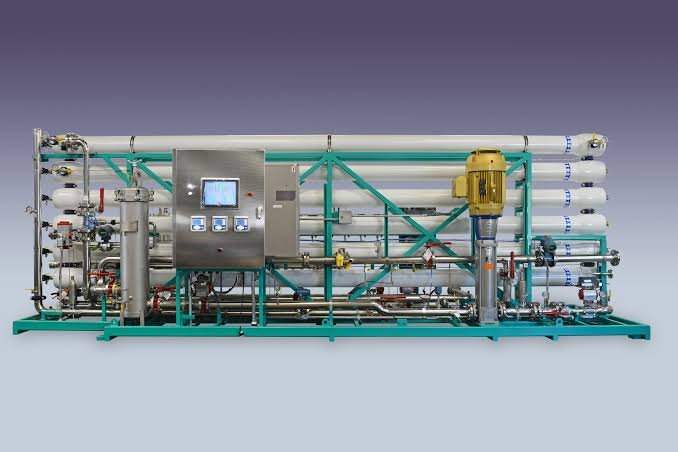
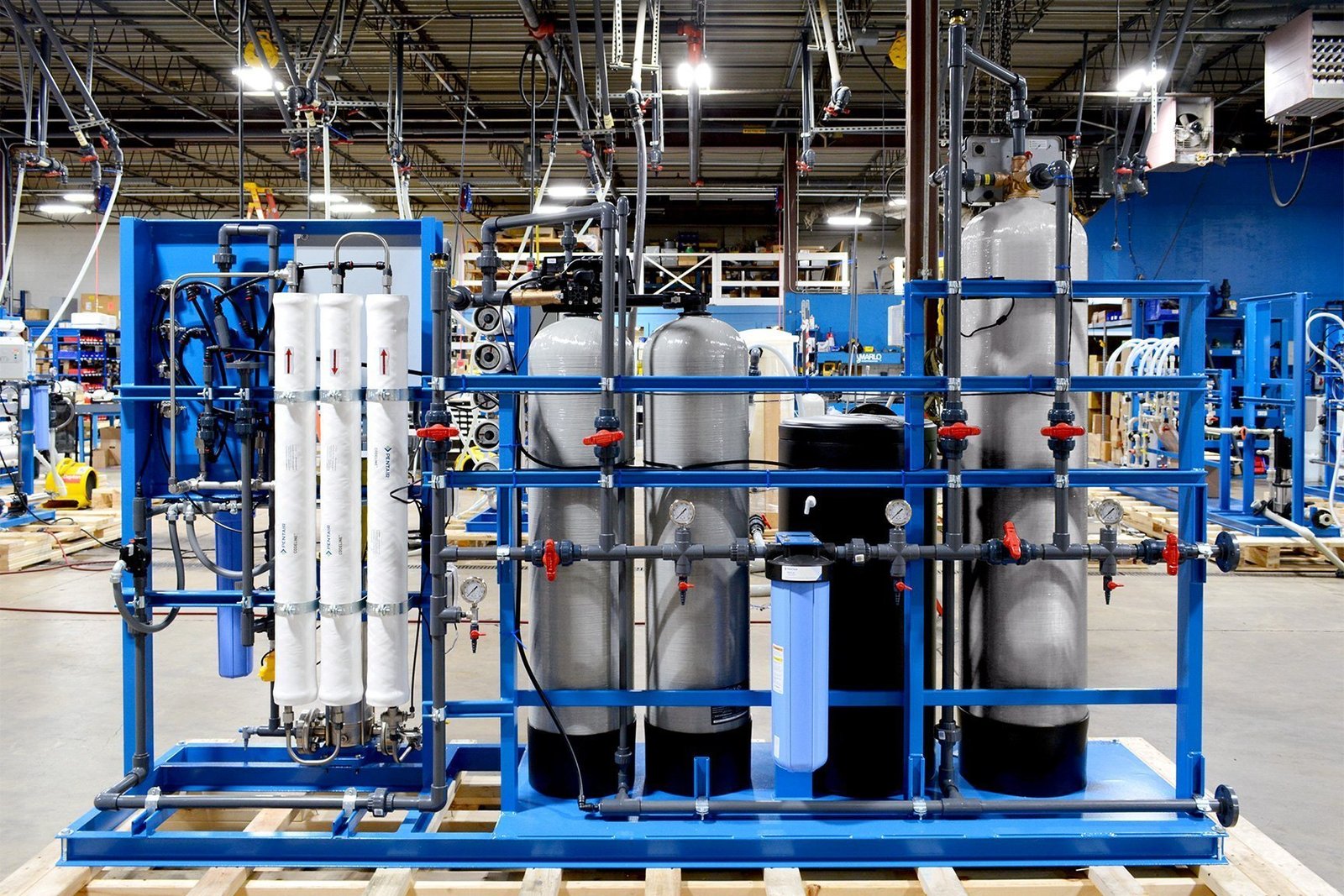
A Reverse Osmosis Drinking Water System uses pressure to push water through a semi-permeable membrane. The membrane can reduce many dissolved substances, producing treated water for drinking and cooking.
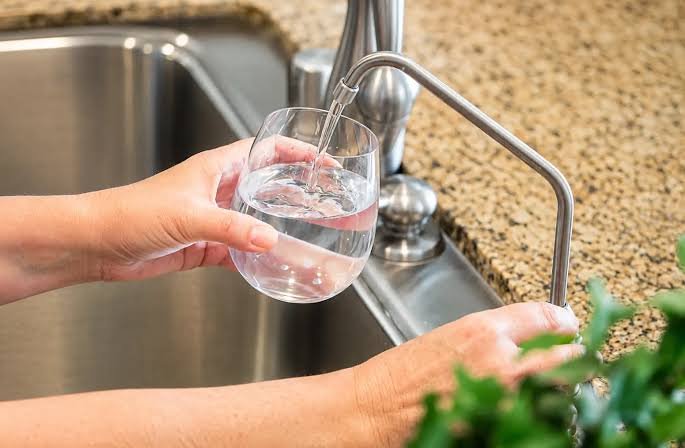
RO systems are commonly installed under the kitchen sink and connected to a dedicated faucet. Some include several pre- and post-filtration stages to protect the membrane and improve the taste of the finished water.
The result can be noticeably different, especially if your existing water has a strong mineral taste or other unpleasant characteristics.
But reverse osmosis isn’t magic. Its effectiveness depends on the membrane, system design, incoming water quality, pressure, and maintenance.
Why Pre-Filtration Matters
The RO membrane is an important part of the system, but it shouldn’t be expected to handle everything by itself.
Pre-filters can remove sediment and reduce substances such as chlorine before water reaches the membrane. This can help protect the membrane and support consistent performance.
The exact setup should depend on the water entering your home.
If testing shows sediment, iron, or another issue, additional treatment may be appropriate before the RO stage. That’s another reason professional assessment can be useful.
Better-Tasting Water Changes Small Things
Water quality becomes especially noticeable in the kitchen.
Coffee can taste different. Tea can have a cleaner flavor. Ice cubes may taste better. Even cooking pasta or preparing soup can be affected by the water you use.
And when drinking water tastes good, people are often more inclined to reach for the tap instead of buying bottled water.
It’s a small change, but it can add up over time.
There’s also the convenience factor. No heavy cases of bottled water taking up space in the pantry. No last-minute trip to the store because the fridge is empty.
Don’t Forget About Maintenance
Every water treatment system needs some care.
RO filters and membranes have service lives. Carbon cartridges eventually need replacement. Connections should be checked, and systems should be maintained according to manufacturer instructions.
Waiting until the water tastes strange isn’t always the best strategy.
Keep track of installation and replacement dates. Set a reminder on your phone if necessary. It takes about thirty seconds and can save you from forgetting for months.
Is Reverse Osmosis Right for Everyone?
Not necessarily.
If your water already tastes good and testing doesn’t identify any particular concerns, a simple filtration system may be sufficient.
On the other hand, if you’re dealing with specific dissolved substances or want a higher level of treatment for drinking and cooking water, reverse osmosis may be a sensible option.
The important thing is to match the treatment technology to the water.
A qualified professional can help interpret test results and explain whether RO, carbon filtration, softening, or another approach makes the most sense.
Making a Smarter Water Treatment Decision
Water treatment doesn’t have to be complicated.
Start with information. Test the water. Understand what the results mean. Think about what you want to improve — taste, odor, hardness, specific contaminants, or overall drinking-water quality.
Then choose equipment based on those needs.
A good system should fit your home, your budget, and your routine. It should also be something you can maintain without constantly thinking about it.
At the end of the day, better water isn’t about having the fanciest equipment under the kitchen sink. It’s about knowing what you’re dealing with and choosing a practical solution.
Because when you fill a glass at the end of a long day, you shouldn’t have to wonder whether you made the right choice. You should just be able to take a sip and enjoy it.