Water treatment equipment often works so quietly that it’s easy to forget it’s even there. Every day it filters, conditions, and delivers water to employees, customers, equipment, and production processes without asking for much attention. But like any hardworking system, it performs best when it’s cared for before problems appear—not after.
Many businesses invest heavily in quality water treatment equipment, yet underestimate the importance of regular maintenance. The truth is, even the most advanced commercial filtration or softening system needs routine service to continue operating efficiently. Ignoring maintenance may not cause immediate failure, but over time it can reduce performance, increase operating costs, and shorten the life of expensive equipment.
Whether you’re managing an office, restaurant, manufacturing facility, healthcare center, or hospitality business, taking a proactive approach to maintenance protects both your investment and the people who rely on clean water every day.
Water Systems Work Harder Than Most People Realize
Commercial water treatment systems rarely get a break.
Unlike residential equipment, business systems often operate continuously throughout the day. Employees fill water bottles, kitchens prepare meals, coffee machines stay busy, ice makers run constantly, and production equipment may rely on treated water around the clock.
That steady demand means filters collect contaminants faster, components experience more wear, and performance gradually changes over time. None of this happens overnight, which is exactly why regular inspections matter.
Small issues caught early are almost always easier—and less expensive—to address than major repairs later.
Preventive Maintenance Saves More Than Money
Waiting until something breaks usually feels less expensive in the short term, but it rarely works out that way.
Unexpected downtime can interrupt business operations, inconvenience customers, delay production, and sometimes even damage equipment connected to the water system.
Preventive maintenance reduces those risks by identifying developing problems before they become emergencies. A technician may notice declining pressure, early signs of scaling, worn seals, or clogged filtration stages long before those issues affect daily operations.
That kind of foresight helps businesses avoid costly surprises while maintaining consistent water quality.
Why Filter Replacement Should Never Be Delayed
Every filtration system has one thing in common: filters eventually become full.
As water passes through the system, filters trap sediment, chlorine, minerals, and other unwanted materials. Over time, those contaminants accumulate until the filter can no longer perform at its best.
Routine filter changes are one of the simplest yet most important maintenance tasks. Fresh filters help maintain water quality, preserve proper flow rates, and reduce unnecessary strain on pumps and other system components.
Delaying replacements doesn’t save money—it often increases wear elsewhere in the system while reducing filtration performance.
Fortunately, most manufacturers provide recommended replacement schedules based on usage and water conditions, making maintenance relatively straightforward.
Every Business Has Different Water Demands
A coffee shop uses water very differently than a hotel. A manufacturing plant has different treatment needs than a medical clinic.
Because of those differences, maintenance schedules should be based on actual water usage rather than generic timelines.
Facilities with high water consumption may require more frequent inspections, while businesses operating in areas with hard water or elevated sediment levels often benefit from additional monitoring.
Custom maintenance plans ensure systems receive the right level of attention without unnecessary servicing.
Routine Service Protects Expensive Equipment
Water treatment systems often support other valuable equipment throughout a facility.
Ice machines, coffee brewers, steam equipment, commercial dishwashers, boilers, refrigeration systems, and specialty manufacturing equipment all benefit from consistent water quality.
Without proper ongoing maintenance , scale buildup, clogged components, or declining filtration performance can gradually reduce the efficiency of both the treatment system and the equipment it serves.
Keeping the water system healthy helps protect thousands of dollars’ worth of appliances and machinery across the entire building.
Professional Service Brings Added Confidence
While some maintenance tasks are straightforward, commercial systems are often more complex than residential equipment.
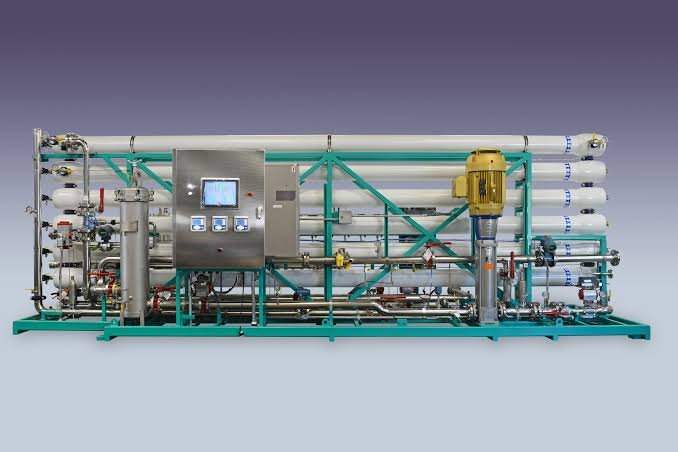
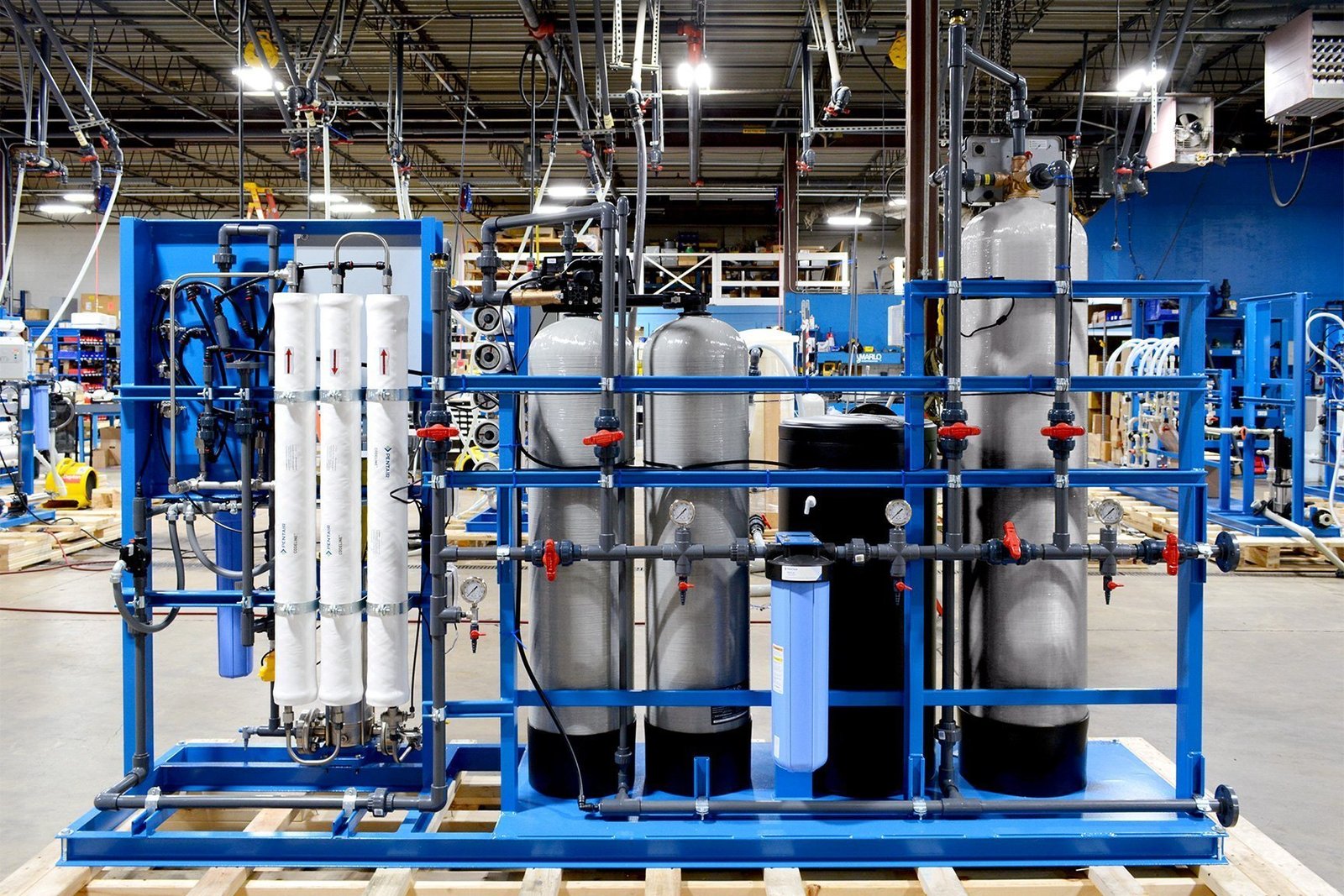
Pressure regulators, reverse osmosis membranes, control valves, storage tanks, monitoring systems, and automatic regeneration cycles all require specialized knowledge.
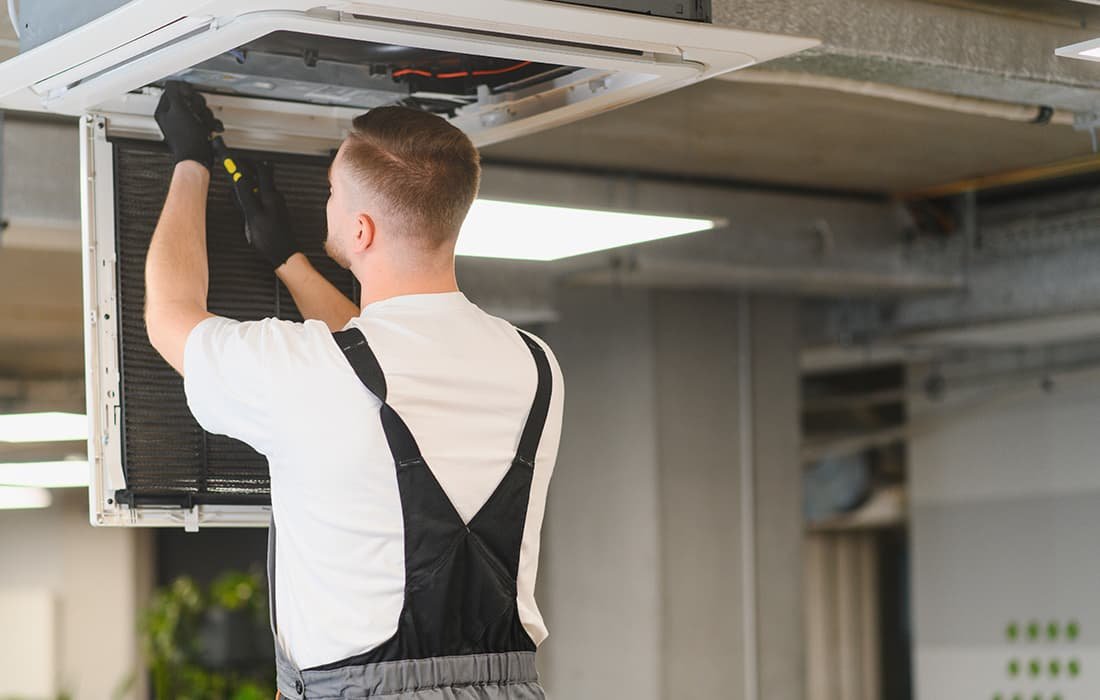
That’s why many organizations rely on factory-trained commercial technicians who understand both the equipment itself and the unique operating requirements of commercial environments.
Experienced technicians can recognize subtle warning signs that may not be obvious to someone unfamiliar with the system, allowing corrective action before small concerns develop into expensive failures.
Their expertise also helps ensure that manufacturer recommendations and warranty requirements are properly followed.
Maintenance Improves Water Quality Every Day
Businesses invest in water treatment because they want consistently clean, dependable water.
Restaurants rely on it for food preparation and beverages. Healthcare facilities require reliable water for patient care. Offices want employees to enjoy better-tasting drinking water. Hotels aim to provide guests with a comfortable experience from check-in through checkout.
Regular maintenance helps preserve those standards.
Instead of allowing water quality to slowly decline over months, scheduled servicing keeps filtration systems performing the way they were originally designed.
The result is consistency—a quality customers may never consciously notice but certainly appreciate.
Planning Ahead Makes Operations Easier
One of the advantages of scheduled maintenance is predictability.
Rather than responding to unexpected breakdowns during busy business hours, service visits can be planned around operating schedules with minimal disruption.
Many businesses establish annual maintenance agreements that include inspections, filter replacements, equipment testing, sanitization, and performance evaluations.
These planned visits simplify budgeting while giving facility managers greater confidence that their water systems remain in excellent condition throughout the year.
It’s a proactive approach that reduces stress while improving operational reliability.
Small Investments Often Prevent Larger Problems
It’s tempting to postpone maintenance when everything appears to be working normally.
After all, if water is flowing, the system must be fine—right?
Not necessarily.
Many water treatment issues develop gradually and remain hidden until efficiency has already declined significantly. A partially clogged filter, worn valve, or scaling membrane may continue operating while quietly reducing performance day after day.
Routine inspections catch these subtle problems early, helping businesses avoid emergency service calls, unexpected downtime, and premature equipment replacement.
In most cases, preventive care costs far less than repairing neglected systems.
Reliable Water Starts with Reliable Maintenance
Commercial water treatment equipment is designed to deliver dependable performance year after year, but even the best systems cannot maintain themselves forever.
Consistent maintenance protects equipment, supports better water quality, extends system life, and helps businesses avoid unnecessary interruptions. It also provides peace of mind, knowing that employees, customers, and operations continue receiving the reliable water they depend on every single day.
At the end of the day, maintaining a commercial water system isn’t just another item on a facility checklist. It’s an investment in operational efficiency, long-term savings, and the overall success of the business. Like many worthwhile investments, the greatest benefits often come from the quiet work happening behind the scenes—long before anyone notices there could have been a problem.