
There’s something oddly comforting about a room that’s the perfect temperature. Whether it’s the summer heat or winter chill knocking at your windows, that silent hum of your HVAC system means you’re in good hands. But just like a car that needs its oil changed or a bike that needs its chain greased, your heating and cooling system needs attention, too. Sadly, most homeowners don’t give it a second thought—until it breaks.
Let’s change that, shall we? In this guide, we’re diving into why proactive care, including system performance checks, filter inspections, and routine maintenance, isn’t just “nice to have”—it’s a must.
Comfort Shouldn’t Be Seasonal Luck
Imagine this: it’s the hottest day of the year, and your AC gives up. You’re frantically Googling emergency HVAC services while melting into your leather couch. Sounds familiar? That kind of chaos is exactly what regular system performance checks can prevent.
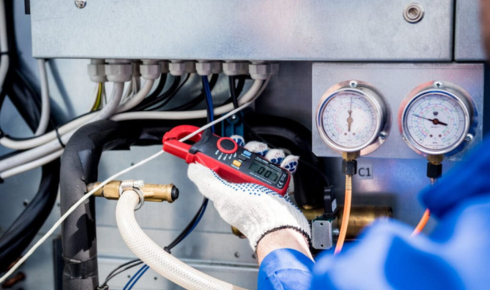
These checks involve professionals evaluating how efficiently your HVAC system is running. It’s not just about whether it’s blowing air—it’s about whether it’s doing it right. Are there any unusual sounds? Is the airflow consistent? Is the thermostat communicating properly with the unit? A thorough performance check digs into all of that.
And here’s the kicker: many minor inefficiencies go unnoticed until they snowball into big (and expensive) problems. Catching them early keeps things smooth, quiet, and cool—literally.
Filters: The Unsung Heroes of Air Quality
If your HVAC system is the heart of your home’s climate control, the filters are its lungs. They trap dust, pollen, pet hair, and whatever else might be floating around. Yet, most folks don’t remember the last time they swapped one out.
A neglected filter doesn’t just mess with your air quality—it also forces your system to work harder. That means more energy consumption, higher bills, and a shorter lifespan for your equipment.
A proper filter inspection should be part of your seasonal routine. It’s a simple task—often overlooked—that makes a world of difference. Depending on the type of filter, you might need to replace it every 30 to 90 days. But don’t guess. A quick inspection can tell you whether it’s time for a change or not.
Maintenance Isn’t Just a Spring Cleaning Task
A lot of homeowners think heating and cooling maintenance is a once-a-year chore, something to knock out when spring rolls around. But that’s a dangerous myth.
Think of HVAC maintenance like brushing your teeth. You wouldn’t do that once a year, right? Your HVAC system, much like your dental health, benefits from regular attention. That includes checking refrigerant levels, tightening electrical connections, lubricating moving parts, and cleaning the coils.
What’s the reward for all this care? Lower utility bills, fewer breakdowns, and a system that lasts years longer. Oh, and peace of mind—can’t put a price on that.
It’s Cheaper Than You Think
Here’s what often stops people: they assume HVAC upkeep is expensive. And sure, if you’re talking about a major repair, it can be. But preventative care? That’s often surprisingly affordable—and far cheaper than replacing a burnt-out compressor or a busted blower motor.
Some HVAC companies even offer maintenance plans that bundle services together at discounted rates. So instead of scrambling to find a technician when things go south, you’ve already got someone in your corner.
Energy Efficiency = Planet + Wallet Friendly
Let’s talk about the planet for a sec. An inefficient HVAC system isn’t just bad for your comfort—it’s bad for your carbon footprint. Systems that haven’t been cleaned or checked waste energy. That’s not only bad for the environment; it also hits you where it hurts most—your utility bill.
When your system is well-maintained, it doesn’t have to work as hard to do its job. It cycles on and off properly. It maintains temperature more evenly. And that translates into real energy savings over time.
It’s a win-win—more comfort, less cost, and a smaller environmental impact. What’s not to like?
The Danger of DIY (and When to Call a Pro)
Some maintenance tasks, like changing a filter or vacuuming vents, are totally DIY-friendly. But others? Not so much.
Opening up your unit, testing electrical components, handling refrigerant—those are jobs for licensed professionals. Not only for safety reasons but because messing up could void your warranty or make things worse.
A trained technician knows what signs to look for, what sounds might be red flags, and what settings need tweaking. That expertise is worth every penny, especially if it means avoiding a mid-July meltdown.
Signs It’s Time for a Check-Up
Still wondering if your system needs a little TLC? Here are some dead giveaways:
- Your energy bills have mysteriously spiked
- The system turns on and off more frequently than usual
- Some rooms feel warmer or colder than others
- You’re hearing odd noises—buzzing, clanking, or wheezing
- It’s been over a year since your last inspection
If any of those sound familiar, it’s time to get on the phone with your HVAC technician.
Final Thoughts: Prevention > Panic
Here’s the truth: your HVAC system isn’t asking for much. Just a little attention now and then. A quick check here. A filter change there. Some basic upkeep and a trained eye to spot trouble before it spirals.
Taking care of your system isn’t just about avoiding disasters—it’s about comfort, safety, and saving money. So instead of waiting for something to go wrong, why not keep everything running right?
Your future self (the one lounging comfortably on a 100-degree day) will thank you.