No two homes are quite alike, and the same can be said about their water supplies. One household might struggle with unpleasant chlorine tastes, while another deals with sandy particles collecting around faucets. Somewhere else, a family could be spending far too much time scrubbing reddish stains from bathroom fixtures.
These problems might seem similar at first, but their underlying causes can be remarkably different.
That’s why customized whole-home filtration solutions make practical sense for homeowners looking to address specific water quality concerns rather than relying on generic treatment equipment.
A personalized approach considers your water source, household consumption, plumbing conditions, and everyday priorities.
Instead of purchasing the biggest or most expensive filtration system available, you’re investing in something designed to address the problems you actually experience.
Understanding Why Every Home Has Different Water Needs
Water travels through various environments before reaching your kitchen faucet. Along the way, it may collect naturally occurring minerals, suspended particles, and other substances that influence its quality.
Municipal water generally undergoes treatment before reaching residential properties. However, homeowners may still notice particular tastes, odors, or issues originating from their plumbing.
Private wells present different challenges because groundwater characteristics can vary depending on local geology and surrounding environmental conditions.
Effective filtration for household water quality begins with understanding these differences and identifying which concerns deserve attention.
A family experiencing excessive mineral hardness will require a different treatment approach from someone dealing with suspended particles or microbial contamination.
Appropriate water testing provides a useful foundation for these decisions. It takes much of the guesswork out of equipment selection and helps prevent unnecessary purchases.
Dealing With Sediment in Private Water Supplies
Imagine filling your bathtub after a long day and noticing tiny grains collecting along the bottom. It’s hardly the relaxing experience you had in mind.
For properties relying on groundwater, well water sediment can become a recurring frustration that affects plumbing fixtures, appliances, and existing treatment equipment.
Sand, silt, and other suspended particles may enter a water supply because of groundwater conditions, deteriorating well components, or problems with pumping arrangements.
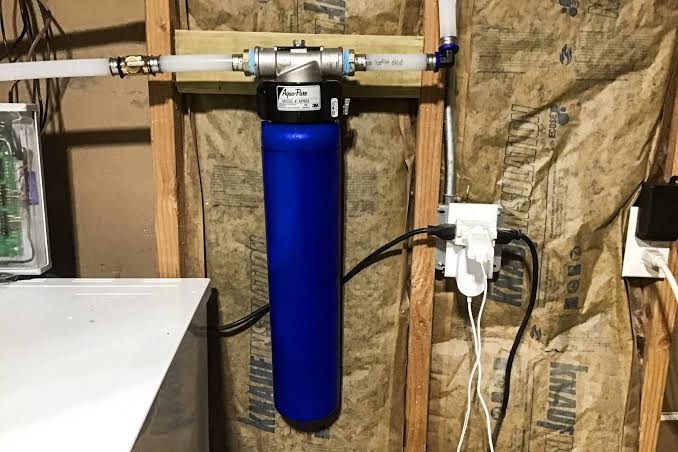
Installing suitable sediment filtration can help capture these particles before they travel throughout the household plumbing.
However, persistent sediment problems deserve further investigation. A filter might address the immediate symptoms without correcting an underlying well-related issue.
Depending on the amount and type of sediment present, homeowners may benefit from spin-down filters, cartridge filtration, or staged treatment arrangements.
Choosing the correct equipment helps manage particles without unnecessarily restricting household water flow.
Creating a Treatment System That Works Together
Some households experience more than one water quality problem. Perhaps sediment is affecting the washing machine while unpleasant tastes make drinking water less enjoyable.
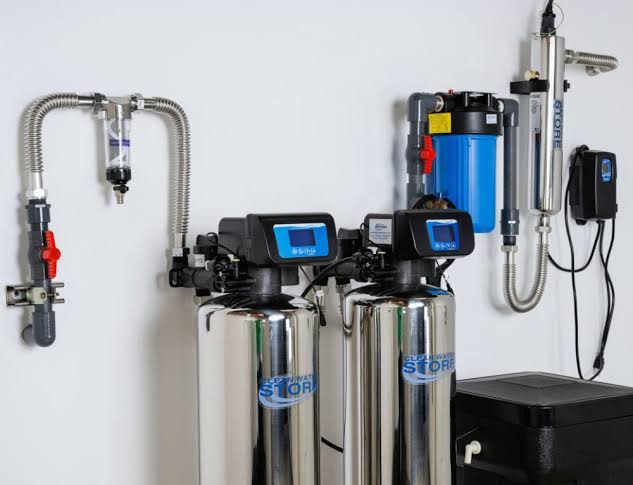
In these situations, combining several treatment methods may provide a more effective solution.
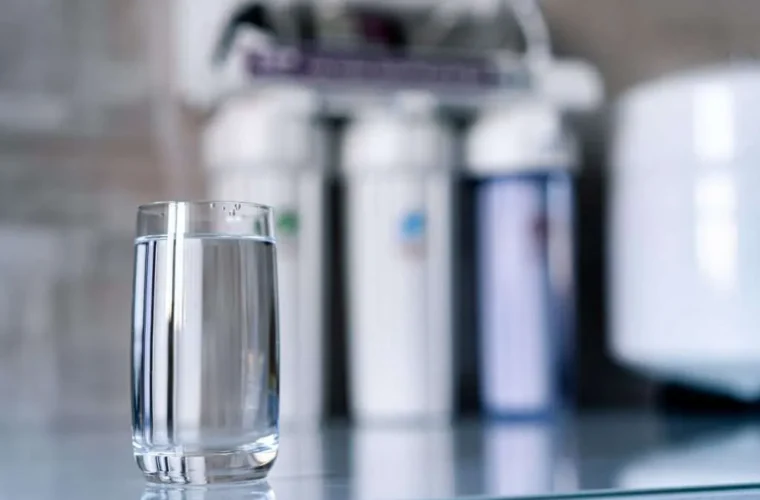
Sediment filters can capture suspended particles, while activated carbon filtration may reduce certain chemical tastes and odors.
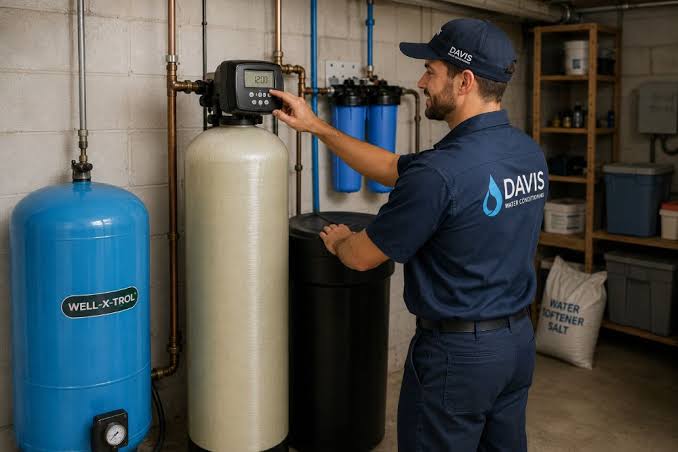
Conventional water softeners address excessive calcium and magnesium concentrations. Ultraviolet disinfection can help inactivate susceptible microorganisms when properly designed and maintained.
Each component has a particular purpose.
The arrangement of these treatment stages matters, too. Suitable pretreatment can help protect downstream equipment and support its intended performance.
Rather than assembling a collection of unrelated products, homeowners should aim for a coordinated system that reflects reliable water testing results.
Consider How Your Family Actually Uses Water
It’s easy to focus entirely on contaminant reduction and forget about something equally practical: how much water your household uses.
A family with three children, multiple bathrooms, and frequent laundry requirements may place considerable demand on filtration equipment.
A smaller household might need considerably less treatment capacity.
Consider your busiest times of day. Does someone typically shower while another person runs the dishwasher? Are several bathroom fixtures used simultaneously in the morning?
An undersized filtration system may create noticeable pressure restrictions during these periods.
Proper sizing should account for peak demand, incoming water pressure, and the equipment’s operating specifications.
Good filtration shouldn’t mean sacrificing the convenience of ordinary household activities.
Why Professional Water Testing Makes a Difference
Water appearance provides useful clues, but it doesn’t reveal everything.
Clear water may still contain potentially harmful microorganisms or dissolved contaminants. Similarly, unpleasant discoloration doesn’t automatically establish the exact cause of a problem.
Accredited laboratory testing can help identify specific substances and establish whether additional treatment is necessary.
Private well owners should arrange regular testing, especially following flooding, well repairs, or unexpected changes in water quality.
If contamination is suspected, use a safe alternative drinking water source and seek guidance from your local health authority.
Reliable findings allow homeowners to choose equipment with independently verified performance rather than depending entirely on marketing promises.
Keeping Customized Filtration Equipment Working Properly
Even a carefully designed treatment system requires ongoing attention.
Sediment cartridges accumulate particles, activated carbon media eventually reach their treatment limits, and specialized equipment may require periodic servicing.
Follow manufacturer maintenance recommendations and keep track of replacement dates.
Pay attention to changes in water pressure, recurring odors, or unusual equipment behavior.
Understanding maintenance expenses before installation can also help homeowners avoid unexpected costs later.
Better Water Should Fit Naturally Into Your Life
The real value of personalized water filtration isn’t measured by how many treatment stages you have installed. It’s measured by how effectively the equipment addresses your household’s genuine needs.
Perhaps that means fewer particles collecting around faucets, more enjoyable drinking water, or less time dealing with recurring plumbing problems.
Start with understanding your water supply, choose compatible treatment equipment, and maintain it consistently.
Your home deserves a water system that reflects the way you live. And when that system quietly makes everyday routines easier, without unnecessary complications, you’ve made an investment that continues offering value long after installation.