Most people associate water filtration with drinking water, and that’s understandable. Nobody wants an unpleasant aftertaste in their morning coffee or a strange odor coming from the kitchen faucet. But what about the water you shower with, wash your clothes in, or use to clean the bathroom? Water quality influences far more household activities than we sometimes realize.
Investing in whole house water treatment offers homeowners an opportunity to address specific water quality concerns before incoming water travels throughout their plumbing system.
Rather than relying entirely on individual filters at different faucets, centralized treatment can provide a more coordinated approach. And for households dealing with recurring sediment, mineral buildup, or unpleasant odors, that can make quite a difference.
Why Water Quality Matters in Every Room
Think about how much water your household uses during an ordinary morning. Someone takes a shower, another person starts the washing machine, and breakfast dishes are already piling up in the kitchen sink.
Each of these activities depends on the same incoming water supply.
Suspended particles may collect inside faucet aerators, hardness minerals can leave deposits around fixtures, and chlorine may contribute to noticeable odors.
Individually, these problems might seem relatively insignificant. Over time, however, they can create additional cleaning and maintenance responsibilities.
Addressing water quality closer to its source can help manage several of these concerns without requiring separate treatment devices in every room.
Finding Treatment That Matches Your Household’s Needs
One of the biggest misconceptions about centralized filtration is that every system performs essentially the same job.
In reality, effective whole-house water treatment solutions should be selected according to reliable testing results, household consumption, and the specific substances present in your water supply.
Sediment filtration helps capture suspended particles such as sand, silt, and rust. Activated carbon may reduce chlorine and certain compounds associated with unpleasant tastes and odors.
Water softening addresses dissolved calcium and magnesium, while specialized filtration equipment may be necessary for iron or other challenging contaminants.
Some homes benefit from combining several technologies. Others require a much simpler arrangement.
The objective isn’t to install as much equipment as possible. It’s to select treatment that provides meaningful improvements without unnecessary operating expenses.
How Centralized Filtration Works Behind the Scenes
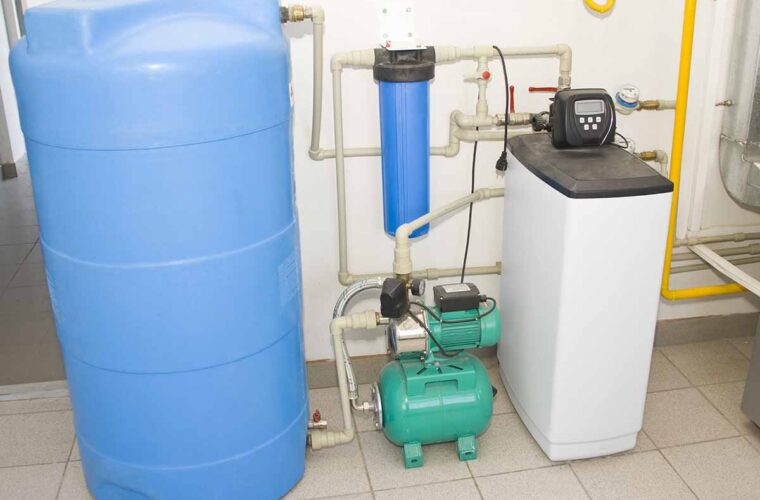
A centralized filtration system is generally installed near the main water supply line, allowing incoming water to receive treatment before reaching designated household plumbing connections.
For homeowners interested in water filtration for every tap, this approach can provide greater convenience than maintaining several individual filtration devices.
However, appropriate system sizing is essential. Equipment should accommodate peak household demand without creating excessive pressure restrictions.
Imagine two people showering while the dishwasher and washing machine are running. Your treatment arrangement needs enough capacity to handle those simultaneous demands.
Installation planning should also consider plumbing dimensions, incoming pressure, drainage requirements, and available space for servicing.
Getting these details right makes centralized treatment considerably more practical over the long term.
Enjoying More Comfortable Household Routines
Some water quality improvements become noticeable through surprisingly ordinary experiences.
Reducing chlorine-related odors may make showers more pleasant. Appropriate sediment filtration can help minimize visible particles, while separate softening equipment may reduce stubborn hardness-related deposits.
Laundry and cleaning routines can also benefit when treatment addresses the substances responsible for recurring household frustrations.
Of course, filtration alone doesn’t necessarily soften water. An ordinary carbon filter won’t effectively remove dissolved hardness minerals.
Understanding these distinctions helps homeowners establish realistic expectations.
Better water isn’t about expecting every treatment system to accomplish everything. It’s about identifying the changes that would genuinely make your household more comfortable and selecting equipment accordingly.
Giving Your Plumbing and Appliances Extra Attention
Household appliances represent a considerable investment, yet the quality of water passing through them often receives very little attention.
Suspended sediment may accumulate inside appliance inlet screens and valves. Excessive hardness can contribute to mineral scale formation inside water heaters and other equipment.
Suitable treatment helps reduce the substances responsible for these problems.
Although filtration and softening won’t automatically repair existing damage, they can form part of a sensible preventive maintenance strategy.
If you’ve recently purchased a dishwasher or replaced an aging water heater, considering the quality of water entering that equipment is particularly worthwhile.
Sometimes, protecting your home begins with looking after the things you rarely see.
Why Water Testing Should Come Before Installation
Purchasing filtration equipment without understanding your water is a little like buying replacement parts before finding out what’s wrong with your car.
Reliable water testing provides valuable information about the concerns your treatment system needs to address.
When consulting a provider such as Hawkins Water, ask how testing results influence equipment recommendations, installation plans, and maintenance schedules.
Discuss replacement filter costs, anticipated operating expenses, and independently verified treatment capabilities.
Remember that centralized filtration doesn’t automatically guarantee safe drinking water. Additional treatment and appropriate laboratory testing may be necessary when health-related contaminants are a concern.
Taking the time to understand these details can prevent unnecessary purchases and disappointing results.
Making Better Household Water a Lasting Improvement
Improving water quality throughout your home doesn’t need to become an overwhelming project. Begin with reliable information, choose equipment according to your actual requirements, and establish a manageable maintenance routine.
Replace filtration components when recommended and arrange appropriate follow-up testing to verify continued performance.
The rewards may gradually appear through more pleasant showers, fewer visible particles, and simpler household maintenance.
Water connects practically every room in your home. Giving its quality some thoughtful attention can influence countless everyday experiences.
And perhaps that’s what makes centralized treatment such a worthwhile consideration. It’s an improvement that quietly supports your household from the moment you turn on the first faucet in the morning until the last one is switched off at night.