A plumbing problem rarely arrives at a convenient time. It might start with a faint drip beneath the kitchen sink, a damp patch near the washing machine, or a water bill that seems unusually high. Then, almost before you’ve had time to investigate, that small concern can turn into damaged flooring, ruined cabinets, or a repair that costs far more than expected.
Most homeowners don’t spend much time thinking about pipes hidden behind walls or beneath floors. That’s understandable. When everything works, there’s little reason to worry about it. Still, knowing how your plumbing system behaves—and recognising the early signs of trouble—can make a real difference to the safety and comfort of your home.
The Small Warning Signs Worth Noticing
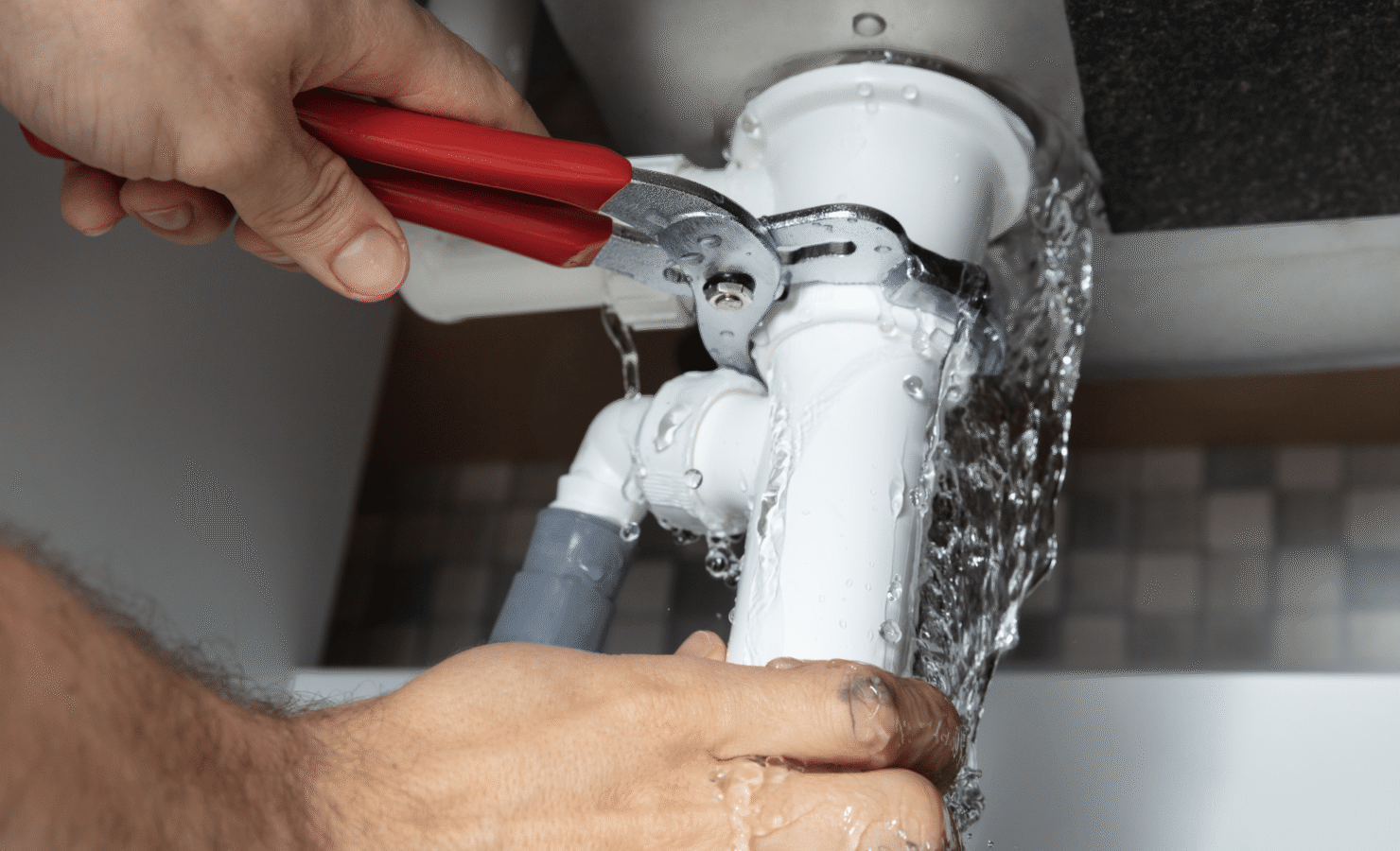
Leaks don’t always announce themselves with a puddle on the floor. Sometimes the first clue is a musty smell in a cupboard, paint that begins to bubble, or a patch of flooring that feels slightly soft underfoot. You may also notice that the water meter continues moving when all taps and water-using appliances are switched off.
These signs don’t automatically confirm a leak, but they deserve attention. Moisture can travel along pipes and building materials, so the visible damage may appear some distance from the actual source. Simply drying the surface or repainting a wall won’t solve the problem if water is still entering the structure.
It’s worth making a habit of checking beneath sinks, around toilets, near water heaters, and behind washing machines. Look for corrosion, loose connections, mineral deposits, and damp areas. You don’t need to inspect every pipe every weekend; a quick look now and then is often enough to notice something unusual.
If you suspect a concealed leak, avoid opening walls or floors without understanding where the plumbing runs. A qualified professional can investigate the issue and help prevent unnecessary damage during the repair.
How Smart Leak Protection Can Help
Traditional plumbing systems rely heavily on someone noticing a problem and taking action. That works for an obvious dripping faucet, but it isn’t always enough when a supply line fails while the house is empty or a pipe begins leaking overnight.
Modern whole-home leak detection & protection valves can add another layer of protection. Depending on the model, these systems monitor water flow, identify patterns that may indicate a leak, and alert homeowners when unusual activity occurs. Some can automatically shut off the water supply when a potential leak is detected.
Imagine leaving for a weekend trip and returning to find that a washing-machine hose has failed. Without a way to limit the flow, water could continue spreading for hours. An automatic shut-off system may reduce that risk, although no device can guarantee that every leak will be detected or prevented.
Choosing the right equipment involves more than comparing app features. Ask what types of leaks the system can identify, whether it monitors the entire property, how it handles normal water-use patterns, and what happens if the internet or power supply is interrupted. Installation compatibility matters, too. A system should be fitted correctly and tested so that homeowners understand how it operates during an emergency.
When Older Pipes Need More Than Another Repair
Many plumbing systems can last for decades, but no material lasts forever under every condition. Pipe age, water chemistry, installation quality, and previous repairs all influence how well the system holds up over time. In older properties, recurring leaks or widespread corrosion may suggest that individual repairs are no longer the most practical long-term answer.
In such cases, repiping may be worth discussing with a qualified plumber. This involves replacing some or all of the existing water supply pipes, depending on their condition and the needs of the property. It can be a substantial project, but it may reduce the cycle of repeated repairs when the pipework has deteriorated extensively.
The decision shouldn’t be based on age alone. A professional assessment can help determine whether the problem is limited to one damaged section or affects a larger part of the system. Ask which pipes need replacement, what materials are proposed, how much access work will be required, and whether walls or ceilings will need to be opened.
It’s also sensible to discuss water pressure, pipe sizing, local code requirements, and the expected disruption to everyday routines. A clear plan helps you prepare for temporary water shut-offs and understand how the property will be restored after the work is finished.
Finding the Right Help for the Job
Plumbing work ranges from straightforward fixture repairs to complicated projects involving concealed pipes, drainage, or major water supply changes. The person handling the job should have the appropriate qualifications and experience for the particular task.
Reliable plumbing services should begin with understanding the problem rather than immediately recommending the most expensive solution. A professional should explain what they’ve found, describe the available options, and provide an estimate that outlines the expected work and costs.
Before agreeing to a major repair, ask whether the estimate includes materials, labour, permits where required, cleanup, and any follow-up testing. It can be useful to compare proposals, but make sure you’re comparing the same scope of work. A lower quote may exclude important details, while a more expensive option may include additional work that isn’t necessary.
Communication matters throughout the process. You should know when the water will be turned off, how long the job is expected to take, and what access the plumber needs. If the situation is urgent, ask which steps are necessary immediately and which improvements can be planned for later.
Everyday Habits That Reduce the Risk of Damage
A few simple habits can help keep plumbing problems manageable. Check appliance hoses for visible wear, avoid putting grease down kitchen drains, and investigate toilets that keep refilling long after use. Make sure the main water shut-off valve is accessible, and learn how to operate it before an emergency occurs.
If you plan to be away for an extended period, consider turning off the water supply when appropriate and safe to do so. The best approach depends on your heating system, appliances, and property setup, so seek professional advice if you’re unsure.
Keep records of previous leaks, repairs, and equipment installations. That information can help a plumber recognise recurring issues and determine whether a more permanent solution is needed.
A More Reliable Home Starts With Preparation
You can’t eliminate every plumbing risk, but you can make it easier to recognise trouble and respond before the damage spreads. Pay attention to unusual changes, maintain the equipment you already have, and consider protective technology when it suits your home and budget.
Whether the next step is investigating a damp patch, replacing deteriorated pipes, or installing an automatic shut-off valve, a clear understanding of your options will help you make better decisions. The goal isn’t to worry about every sound the pipes make. It’s to feel confident that when something does go wrong, you have a sensible plan for dealing with it.