Most of us have a pretty simple relationship with water. We turn on the tap, fill a glass, wash the dishes, and carry on with the day. It rarely crosses our minds until something changes. Maybe the water tastes a little strange, white marks keep appearing on the bathroom fixtures, or the shower seems less pleasant than it used to be. Small things, certainly, but they can make you wonder what’s happening behind the scenes.
Choosing a water treatment system can feel overwhelming when every product claims to offer cleaner, better water. The sensible approach is to slow down, understand the issue, and find a solution that fits your home rather than buying equipment based on a sales pitch.
Start With the Water You Already Have
Before comparing filters and treatment equipment, take a moment to consider your current situation. Does the water leave a chalky residue around faucets? Is there a noticeable chlorine smell? Do you see particles after plumbing work, or has the taste changed recently? These observations can help narrow down possible causes, although they cannot provide a complete assessment on their own.
The source of your water matters, too. Municipal supplies are generally treated and monitored before reaching homes, while private wells can be affected by local geology, nearby land use, rainfall, and other environmental conditions. Even two neighbouring properties may have different water characteristics because their sources and plumbing systems aren’t identical.
Understanding water quality means looking beyond appearance. Water that looks clear may still contain dissolved minerals or substances that require specific testing. Likewise, an unusual taste doesn’t automatically mean the water is unsafe. If you’re concerned about health-related contaminants, use an appropriate testing method and follow guidance from your local water authority or health department.
Everyday Clues Can Tell You Something
Household symptoms are often the first indication that water may need attention. White deposits on showerheads and kettles can suggest hardness, while orange or reddish stains may be associated with iron. A strong chlorine taste may be noticeable in drinking water, and sediment can sometimes appear as visible particles.
These clues are useful starting points, but it’s easy to jump to the wrong conclusion. For instance, a cloudy glass of water may contain tiny air bubbles that disappear after standing for a short time. Persistent cloudiness, on the other hand, deserves further investigation. The same goes for sudden changes in colour, smell, or taste.
Notice where the issue occurs. Does it affect every tap, or only one bathroom? Is the problem more obvious after water has been sitting in a fixture? Did it begin after a plumbing repair? A few simple observations can help a professional decide which tests or inspections may be useful.
Don’t overlook the water heater, either. Mineral deposits can collect inside heating equipment, and ageing plumbing may influence what comes out of the tap. Sometimes the treatment system isn’t the source of the problem at all.
Consider How Much Water Your Household Uses
A treatment system should suit the way people actually live in a home. A couple living in a small apartment may have very different needs from a family using several bathrooms, running frequent laundry loads, and preparing meals throughout the day.
Looking at household water usage can help you determine the capacity you’ll need. If several taps and showers operate at once, a system with insufficient flow may cause a noticeable drop in water pressure. On the other hand, choosing a much larger unit than necessary can add expense without providing a meaningful benefit.
Think about where treatment matters most. If the main concern is the taste of drinking water, a filter installed beneath the kitchen sink may be enough. If hardness causes scale throughout the property, a water softener could be more relevant. A household dealing with sediment at multiple fixtures might consider a properly selected whole-home filter.
There isn’t one arrangement that works for everyone. The best choice depends on the water test results, daily demand, available installation space, and maintenance requirements.
Match the Technology to the Problem
Water treatment equipment performs different jobs, so it’s important to understand what each system can and cannot do.
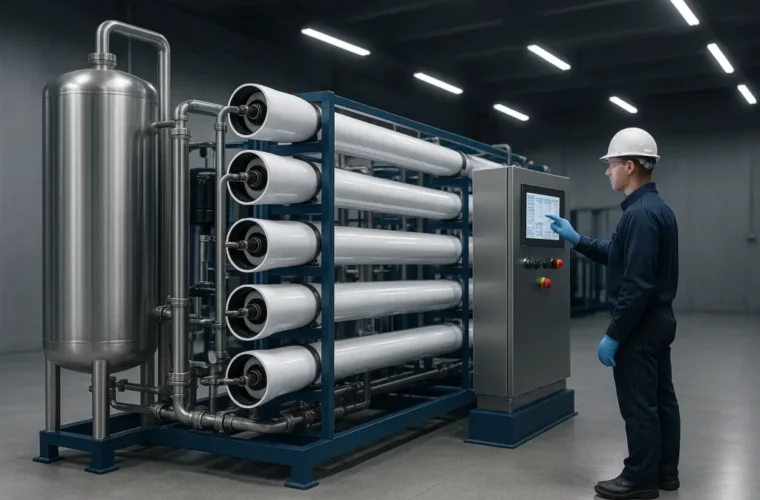
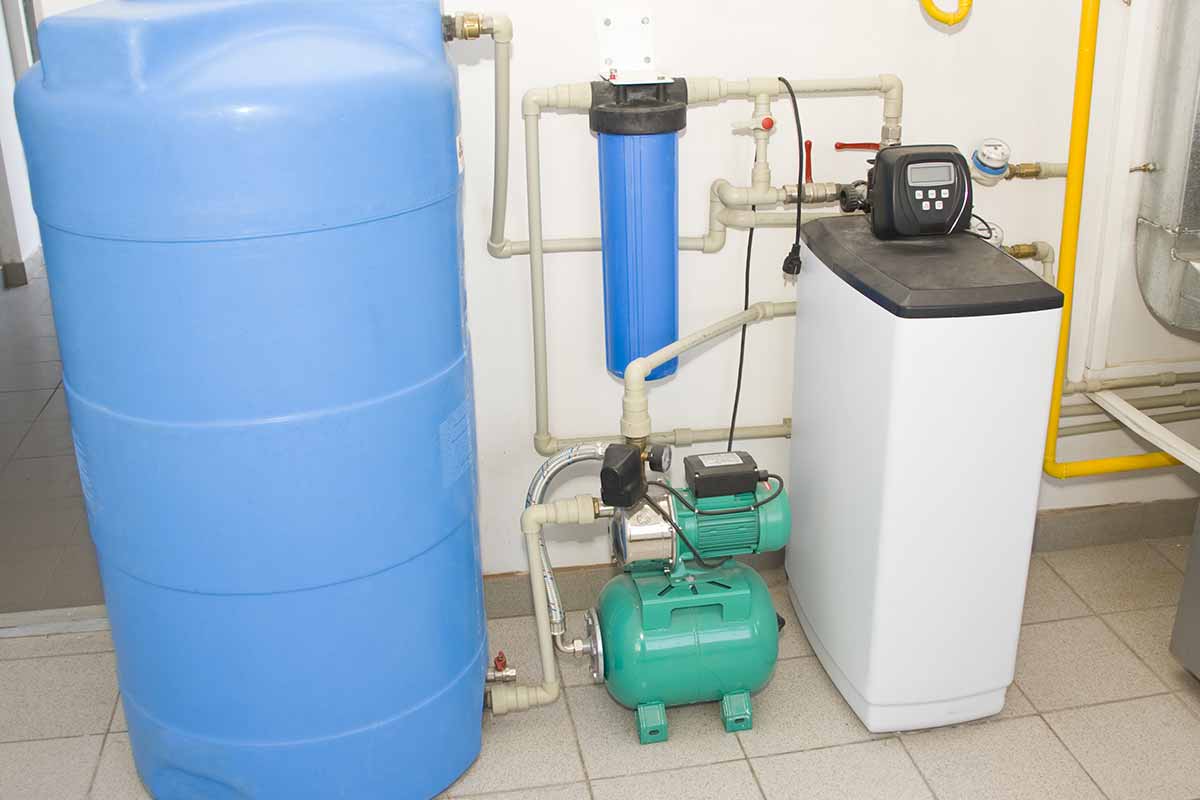
Sediment filters capture suspended particles such as sand or rust. Activated carbon filters can reduce certain tastes, odours, and selected compounds, depending on their design. Conventional ion-exchange softeners reduce hardness by exchanging calcium and magnesium ions for sodium or potassium ions. Reverse osmosis systems can reduce many dissolved substances, although performance varies by system and contaminant.
These distinctions matter because a filter designed for one concern may do very little for another. A sediment cartridge won’t reliably remove dissolved contaminants, and a water softener isn’t a universal drinking-water purifier. If a specific contaminant is present, choose equipment with verified performance for that substance.
Before buying, check the manufacturer’s documentation and any relevant independent certifications. Ask which substances the system is designed to reduce, how its performance is measured, and what maintenance is required. A long list of filtration stages doesn’t automatically mean better results.
Your Plumbing Can Influence the Decision
Water travels through pipes, valves, fittings, and appliances before reaching the tap. The condition and layout of these components can affect both water flow and the practicality of installing treatment equipment.
A suitable plumbing setup provides enough space for the system, allows convenient access to replacement filters, and supports the required connections. Some equipment needs a drain, an electrical supply, or additional plumbing work. A reverse osmosis unit, for example, is often installed beneath the kitchen sink, where cabinet space and drainage access may influence the choice.
Older pipes deserve attention as well. If water quality changes suddenly or staining appears at only one fixture, the issue could be related to the plumbing rather than the incoming supply. In such cases, an inspection may be more useful than immediately purchasing a filter.
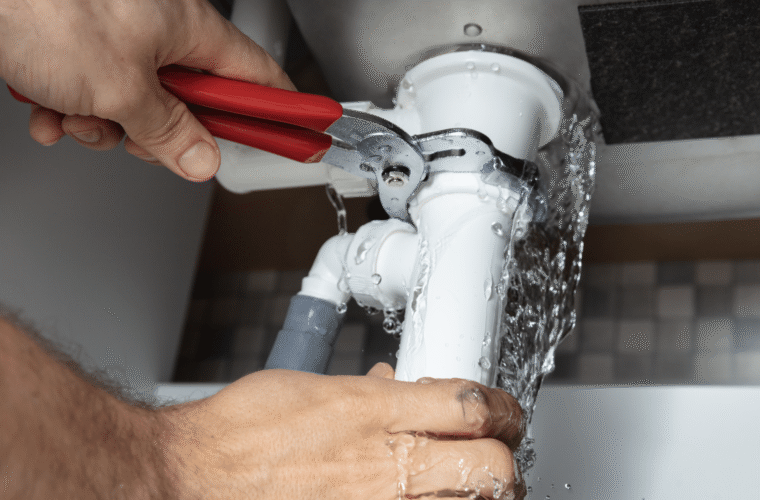
Professional installation can help ensure that equipment is correctly sized and connected. Before work begins, ask what the installation includes, whether leaks will be checked, and how the system should be maintained once it is operating.
Think About Maintenance Before You Buy
It’s easy to focus on the initial price and forget what happens six months later. Filters have replacement schedules, softeners may need salt, and reverse osmosis membranes eventually require changing. Some systems also need periodic cleaning or professional servicing.
Ask about these costs before making a decision. Find out whether replacement cartridges are readily available, how often parts need changing, and whether routine maintenance can be handled at home. Keeping a record of service dates and water-test results can make future care much simpler.
If the water begins tasting different, pressure drops, or scale returns, don’t assume the system has failed. Those signs may indicate that a filter needs replacement, but they can also point to a change in the water source or another plumbing issue.
Make a Choice That Feels Right for Your Home
Choosing water treatment doesn’t need to become a major project filled with technical jargon. Start with the concern you want to address, arrange suitable testing when necessary, and compare systems based on documented performance, capacity, installation, and ongoing costs.
Be cautious of anyone promising that one device will solve every possible water problem. A reliable recommendation should explain why a particular system suits your circumstances and acknowledge its limitations.
Ultimately, the aim is straightforward: understand your water, choose a practical solution, and maintain it properly. When you approach the decision with clear information instead of guesswork, you’re more likely to find equipment that fits naturally into your home and makes everyday water use a little easier.