Owning a private well has its advantages, but there’s a learning curve that comes with managing your own water supply. One week, everything seems perfectly fine. The next, you’re wondering why your freshly washed towels have developed an unusual tint or why the showerhead keeps collecting mineral deposits.
These little surprises can become frustrating, particularly when you’re unsure how to address them.
For many homeowners, well water filtration and softening provide complementary ways to manage unwanted particles, excessive mineral hardness, and other specific water quality concerns.
However, finding the right treatment arrangement involves more than purchasing a filter and installing a softener. Every well has different characteristics, and understanding those differences can save you considerable time, money, and frustration.
Getting to Know the Water Beneath Your Property
Groundwater isn’t identical everywhere. As it moves through underground rock formations and soil, it naturally collects minerals and may encounter other substances influenced by surrounding environmental conditions.
Households relying on private well water are generally responsible for monitoring their supply and addressing any quality concerns that arise.
Some wells produce water containing elevated concentrations of iron or manganese. Others may experience excessive hardness, sediment, unpleasant odors, or microbial contamination.
What’s interesting is that even neighboring properties can have different water characteristics.
Your neighbor might recommend a particular filter because it solved their staining problem, but that doesn’t guarantee it’ll address yours.
Appropriate laboratory testing provides a much more dependable starting point. Understanding what’s actually present in your water allows you to make decisions based on evidence rather than guesswork.
Why a Personalized Approach Makes More Sense
There’s a tendency to assume that a sophisticated treatment system must be better than a simple one. In reality, effectiveness depends largely on whether the equipment matches the problem.
Investing in customized treatment for well water allows homeowners to address identified concerns through technologies suited to their property’s particular water chemistry and consumption patterns.
For example, a household experiencing excessive iron may require specialized removal equipment. Another property dealing primarily with mineral hardness could benefit from a conventional softener.
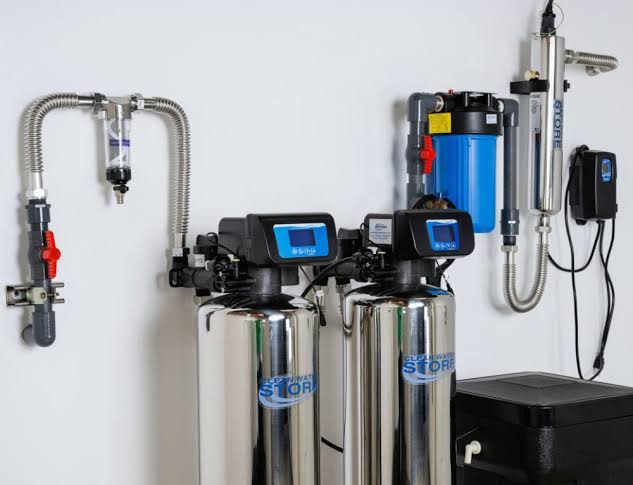
Where several concerns exist simultaneously, combining complementary treatment stages might be appropriate.
The sequence of those stages matters, too. Removing excessive sediment before water reaches sensitive downstream equipment can help reduce premature clogging.
A knowledgeable specialist should explain why each component is necessary and what results you can reasonably expect.
Understanding the Difference Between Filtration and Softening
Water filters and softeners are frequently mentioned together, although they perform quite different jobs.
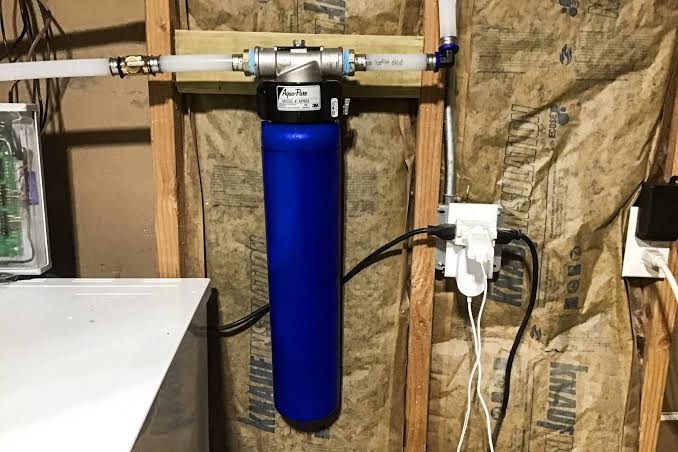
Sediment filtration captures suspended particles such as sand, silt, and rust. Specialized filter media may reduce particular substances, while activated carbon can address certain chemical compounds and unpleasant tastes.
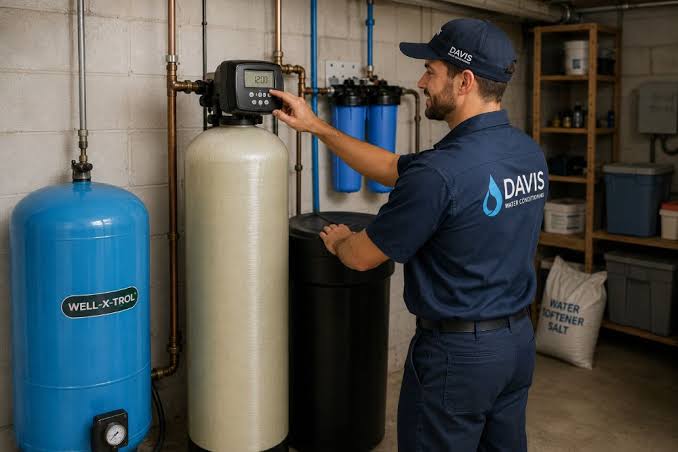
Traditional water softeners, meanwhile, use ion exchange to reduce dissolved calcium and magnesium concentrations.
These minerals are responsible for many familiar hard water problems, including chalky deposits around faucets, disappointing soap lather, and scale accumulation inside certain appliances.
Removing suspended particles won’t necessarily make water softer. Likewise, installing a softener won’t automatically resolve microbial contamination or every unpleasant odor.
Once you understand these distinctions, comparing treatment options becomes considerably less confusing.
Dealing With Stains, Smells, and Other Everyday Frustrations
There’s nothing quite like pulling white clothes from the washing machine and discovering they’ve developed orange marks. Elevated iron concentrations can sometimes contribute to this unpleasant surprise.
A rotten-egg odor, on the other hand, may be associated with hydrogen sulfide or bacterial activity under certain conditions.
These concerns require different treatment approaches.
Specialized oxidation and filtration equipment may help address iron and sulfur-related problems, depending on the water chemistry and source of the issue.
Rather than masking unpleasant odors or repeatedly scrubbing stained surfaces, investigate what’s causing them.
Addressing the underlying problem is generally more rewarding than continually purchasing cleaning products that offer temporary relief.
Don’t Overlook the Contaminants You Cannot See
Water can look remarkably clear and still contain substances that deserve serious attention.
Potentially harmful microorganisms and certain chemical contaminants may not produce noticeable changes in appearance, taste, or smell.
Well owners should arrange regular laboratory testing, including appropriate checks for bacteria, nitrates, and other locally relevant contaminants.
Additional testing is particularly important following flooding, well repairs, or unexpected changes in water quality.
If contamination is suspected, use a known safe alternative supply for drinking and cooking until appropriate assessment and testing confirm the problem has been resolved.
Suitable disinfection or specialized treatment may be necessary depending on the findings.
Choosing Equipment That’s Practical to Own
A water treatment system needs to fit into your everyday life, not just your available installation space.
Consider household consumption, incoming water pressure, replacement filter costs, regeneration supplies, and maintenance accessibility.
Ask about equipment capacity and whether it can accommodate simultaneous water usage during busy mornings.
Maintenance matters just as much as installation. Filters become exhausted, softeners need regeneration supplies, and specialized treatment equipment requires periodic servicing.
Keep maintenance records and follow manufacturer recommendations. Occasional follow-up testing can also help verify that your equipment continues performing as intended.
A little consistent attention can prevent unnecessary complications down the road.
Making Your Well a Dependable Household Resource
Managing your own water supply doesn’t need to become an overwhelming responsibility. With reliable information and appropriate equipment, many common groundwater concerns can be effectively addressed.
Start with testing, choose treatment technologies that serve a clear purpose, and maintain your equipment consistently.
The benefits often appear in ordinary moments: fewer mineral deposits, more enjoyable showers, cleaner-looking laundry, and less frustration when maintaining household fixtures.
Your well is a valuable part of your property. Looking after it thoughtfully can help create a more comfortable home and give you greater confidence in the water you depend on every day.