Sometimes, improving your home starts with something you can barely see. Water flows through your pipes, fills your appliances, and finds its way into nearly everything you do throughout the day. Yet its quality often receives less attention than a new kitchen countertop or bathroom renovation.
Perhaps you’re tired of buying bottled water, or those stubborn mineral deposits around your faucets are becoming increasingly frustrating. Whatever the reason, investing in suitable water treatment equipment can make a noticeable difference.
The tricky part is choosing equipment that addresses your actual concerns. A drinking water filter, a softener, and a whole-property filtration system all serve different purposes.
Understanding how these technologies work and what’s involved in installing them can help you make a decision you’ll be happy with years down the road.
Bringing Better-Tasting Drinking Water Into Your Kitchen
The kitchen is where most people notice water quality differences first. An unpleasant aftertaste can affect everything from a refreshing glass of water to a carefully brewed cup of coffee.
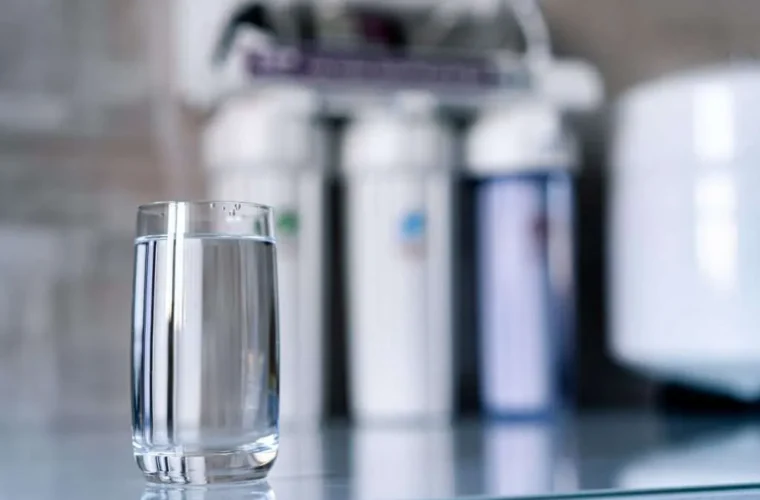
A properly planned reverse osmosis system installation can provide convenient access to treated drinking water through a dedicated kitchen faucet.
This technology uses water pressure to move water through a semipermeable membrane, reducing various dissolved substances according to the equipment’s verified capabilities.
Many residential units fit beneath the kitchen sink, although sufficient space is necessary for filters, connections, and a storage tank if required.
Before installation, consider incoming water pressure, drainage arrangements, and available cabinet space.
It’s also worth comparing water efficiency and replacement filter costs. A system should be affordable to maintain, not just convenient to purchase.
Having treated water readily available may also help households reduce their reliance on bottled water.
Managing Hard Water Without Constant Cleaning
Anyone who has spent an afternoon removing chalky deposits from bathroom fixtures knows how irritating hard water can be.
These deposits primarily result from dissolved calcium and magnesium. Over time, excessive mineral hardness may also contribute to scale accumulation inside household appliances.
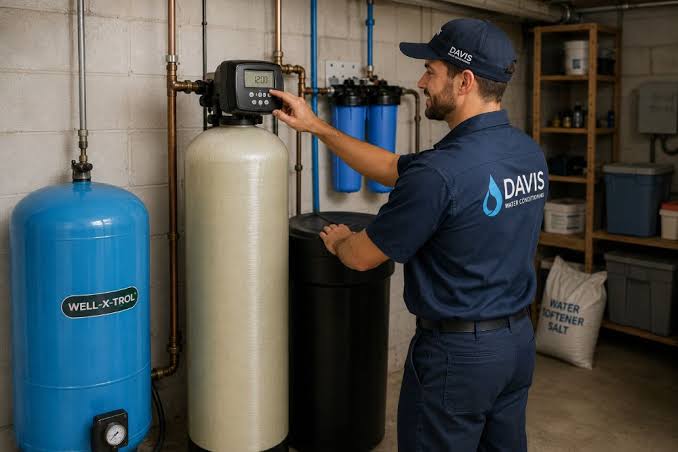
Professional water softener and conditioner installation can help homeowners manage these concerns, although softeners and conditioners operate differently.
Traditional softeners reduce hardness minerals through ion exchange. Certain conditioning technologies aim to limit scale formation without removing those minerals in the same way.
Understanding this distinction matters when comparing products.
A suitable system should reflect your measured hardness levels, household consumption, and maintenance preferences.
Traditional softening equipment typically requires regeneration salt and appropriate drainage connections. Other conditioning technologies may have different installation and servicing requirements.
Ask a specialist to explain the expected results before making your choice.
Improving Water Quality Throughout the Entire Property
A kitchen drinking water filter is useful, but it won’t necessarily address problems affecting showers, laundry equipment, and other household fixtures.
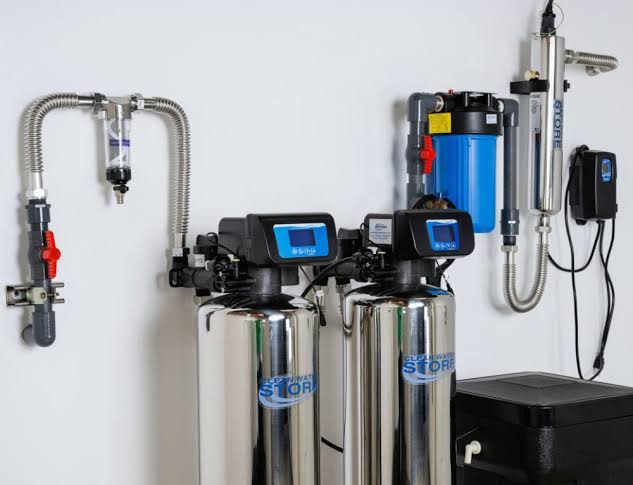
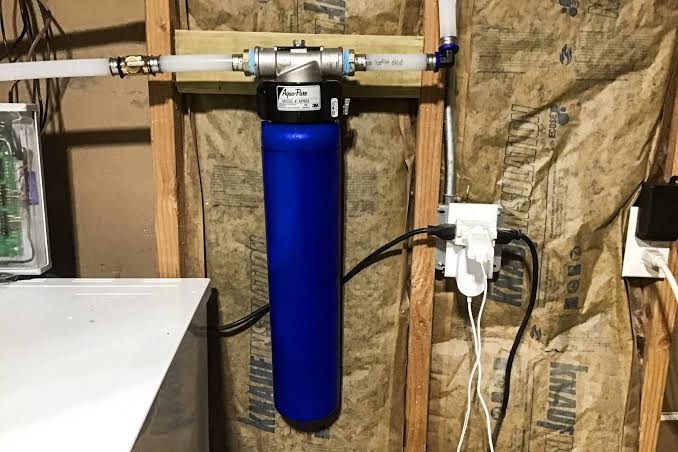
For concerns that extend throughout the property, whole-house filtration installation offers an opportunity to treat incoming water before it reaches connected outlets.
Depending on the selected equipment, this approach may help manage sediment, chlorine-related tastes, odors, and other specific water quality concerns.
For instance, a property experiencing suspended rust particles might benefit from an appropriately sized sediment filtration stage.
However, treating the entire water supply requires careful planning. Equipment must accommodate household demand without causing excessive pressure loss.
Installation near the main water supply also requires adequate servicing clearance and suitable plumbing connections.
The goal is dependable treatment throughout your home, rather than simply adding more equipment to the utility room.
Why Water Testing Should Come Before Installation
It’s easy to become distracted by impressive product descriptions and advanced filtration features. But without understanding your water, choosing equipment becomes little more than guesswork.
Start with appropriate testing to identify the characteristics that genuinely need attention.
Hardness measurements can help determine whether softening would be beneficial. More specialized laboratory analysis may be necessary when concerns involve potentially harmful contaminants.
Private well owners should be particularly mindful of appropriate testing and recommended monitoring schedules.
Reliable results also give installers a clearer understanding of which treatment stages are necessary.
Sometimes, a relatively simple system can address your concerns without the expense of a more complicated installation.
Preparing Your Home for New Water Treatment Equipment
Before installation day arrives, take a moment to consider where the equipment will be positioned.
A crowded kitchen cabinet or packed utility closet might need clearing. Larger systems may require additional plumbing connections, suitable drainage, or nearby electrical outlets.
Discuss these requirements with your installer beforehand.
Accessibility matters more than you might initially expect. Something as routine as changing a filter becomes frustrating when the equipment is difficult to reach.
A thoughtfully planned installation should leave enough room for inspections, servicing, and future component replacement.
These practical details can make the difference between convenient ownership and years of unnecessary maintenance difficulties.
Keeping Your Investment Working Reliably
Installing treatment equipment doesn’t mean you can forget about it afterward.
Filter cartridges have limited service lives, traditional softeners require regeneration supplies, and membrane-based equipment needs periodic maintenance.
Ask for a recommended servicing schedule and keep installation records somewhere accessible.
Follow-up water testing can also help confirm whether treatment is addressing the intended concerns, particularly when potentially harmful contaminants are involved.
Consistent maintenance helps preserve equipment performance and makes unexpected problems easier to identify.
Better Water Is an Improvement You’ll Use Every Day
Unlike some household upgrades, suitable water treatment can influence countless ordinary moments. Making coffee, preparing dinner, washing clothes, and cleaning the bathroom are all activities where water quality matters.
Choose equipment based on reliable information, give proper installation the attention it deserves, and keep maintenance manageable.
You don’t necessarily need every available treatment technology. You simply need the right combination for your home’s particular circumstances.
And when your water becomes more enjoyable to use and household maintenance feels a little less demanding, you’ll understand why taking the time to make an informed decision was worthwhile.