
Most of us don’t spend much time thinking about water until it starts causing problems. Maybe there’s a strange taste in the kitchen tap, stubborn mineral stains around the sink, or an appliance that seems to wear out sooner than expected. Those little frustrations often point to something happening behind the scenes. Water may look perfectly clear, but what’s dissolved inside it can have a surprising impact on your home, your plumbing, and even your peace of mind.
The good news is that modern water treatment has come a long way. Instead of relying on a single filter to solve every issue, today’s systems are designed to target specific water conditions. When chosen carefully, they don’t just improve drinking water—they protect appliances, reduce maintenance, and make everyday life noticeably easier.
Every Water Supply Is Different
No two water sources are exactly alike. Municipal water typically arrives after undergoing treatment, but it may still contain chlorine, minerals, or sediment picked up through aging infrastructure. Well water presents an entirely different set of possibilities, including naturally occurring metals, sulfur, hardness, or bacterial contamination.
That’s why experts almost always recommend testing the water before buying treatment equipment. It sounds simple, but knowing exactly what’s in the water prevents unnecessary spending on equipment that addresses the wrong problem.
A proper water analysis creates the roadmap for everything that comes next.
Understanding Hidden Contaminants
Some contaminants announce themselves with unpleasant smells or discoloration. Others stay completely invisible.
Arsenic is one example. Naturally present in certain geological formations, it can enter groundwater without changing the appearance or taste of the water. Homeowners relying on private wells are often surprised to learn that crystal-clear water may still require specialized treatment.
When testing identifies elevated levels, properly engineered arsenic filters provide an effective solution by reducing this contaminant before it reaches household taps. These systems are designed for targeted removal and are often integrated with additional treatment stages to improve overall water quality.
Rather than treating symptoms, they address the source of the problem.
Hard Water Affects More Than Plumbing
Hard water isn’t considered dangerous, yet it quietly influences nearly every room in the home.
Soap doesn’t rinse as easily.
Shower doors collect mineral spots.
Dishwashers lose efficiency.
Coffee makers develop scale.
Water heaters work harder than necessary.
Over time, these issues increase maintenance costs while reducing appliance lifespan.
Water softening or conditioning systems help minimize mineral buildup, improving both household comfort and equipment performance. Many homeowners notice softer laundry, easier cleaning, and lower energy consumption after installing the appropriate treatment system.
It’s one of those improvements that’s easy to appreciate once you’ve lived with it.
Why Water Treatment Requires More Than Filtration
Filtration removes many suspended particles, but no single filter handles every water quality concern.
Sediment filters trap dirt and sand.
Activated carbon improves taste and odor.
Reverse osmosis removes many dissolved solids.
Ultraviolet systems target microorganisms.
Specialized media reduce metals and specific contaminants.
Some applications also require carefully selected water treatment chemicals to control corrosion, prevent scale formation, balance pH, or maintain proper sanitation within larger commercial and industrial systems. When used correctly, these treatment products support long-term equipment performance while helping maintain consistent water quality.
The key is selecting solutions that match the unique characteristics of the water rather than relying on generic equipment.
Looking Beyond Drinking Water
Many people initially shop for water treatment because they want better drinking water. That’s certainly important, but clean water benefits extend throughout the entire home.
Washing machines operate more efficiently.
Glassware stays clearer.
Plumbing fixtures remain cleaner.
Water heaters experience less scale buildup.
Showers become more enjoyable.
Even household cleaning products often perform better with properly treated water.
These everyday improvements accumulate over time, making quality treatment systems a worthwhile long-term investment rather than simply another household expense.
The Value of Whole House Systems
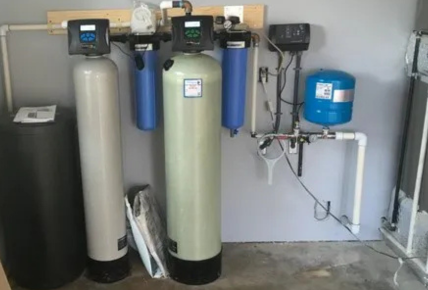
Instead of treating water at a single faucet, many homeowners now choose whole house systems that improve water quality before it enters the home’s plumbing network.
This approach provides several advantages.
Every faucet receives treated water.
Appliances receive consistent protection.
Bathrooms benefit alongside kitchens.
Outdoor plumbing can also be configured when needed.
Rather than solving one isolated issue, whole-home treatment creates a more comprehensive solution that supports the entire property.
For growing families or larger homes, that consistency often makes daily life noticeably more convenient.
Maintenance Doesn’t Need to Be Complicated
One common misconception is that water treatment equipment requires constant attention.
Modern systems are designed with simplicity in mind. Most routine maintenance involves replacing filter cartridges, replenishing treatment media when required, inspecting valves, or scheduling occasional professional service.
Manufacturers continue improving system designs to make maintenance more straightforward than ever before.
Ignoring maintenance, however, usually leads to reduced efficiency rather than sudden equipment failure. Small declines in performance happen gradually, which makes regular inspections especially valuable.
A little preventive care can significantly extend equipment life while maintaining consistent water quality.
Investing in Long-Term Water Quality
Water treatment shouldn’t be viewed solely as an immediate fix for today’s concerns. It’s also about protecting future investments.
Appliances last longer.
Plumbing repairs become less frequent.
Energy efficiency often improves.
Maintenance costs decrease.
Water quality remains more predictable throughout the year.
Whether the property is a family home, commercial building, or agricultural operation, reliable treatment systems help reduce uncertainty while improving day-to-day performance.
That peace of mind has real value, especially when water plays such an important role in everyday life.
Final Thoughts
Choosing the right water treatment solution isn’t about buying the most advanced equipment available. It’s about understanding the water you have and selecting technologies that work together to address its unique characteristics.
From removing naturally occurring contaminants to improving taste, protecting appliances, and extending plumbing life, today’s treatment systems offer practical solutions for nearly every water challenge. The most successful installations are rarely the most complicated—they’re simply the ones designed around accurate testing, quality equipment, and consistent maintenance.
Clean water supports healthier homes, more reliable appliances, and greater confidence every time you turn on the tap. When treatment is approached thoughtfully, it becomes less about solving problems and more about creating a dependable system that quietly delivers better water day after day.