Why Better Water Quality Is One of the Most Overlooked Investments for Commercial Properties

Water is easy to ignore when everything is working. Employees arrive, customers come and go, equipment hums along, and daily operations unfold without much thought about what’s flowing through the pipes. It’s only when something starts going wrong—a water heater fails early, dishwashers lose efficiency, or mineral stains seem impossible to clean—that water suddenly becomes part of the conversation.
The interesting thing is that these problems rarely appear overnight. They develop slowly, almost quietly, until maintenance costs begin climbing and equipment no longer performs the way it once did.
For many businesses, improving water quality isn’t simply about cleaner water. It’s about protecting the systems that keep the entire operation moving every single day.
Water Impacts Nearly Every Business Operation
No matter the industry, water is constantly working behind the scenes.
Restaurants rely on it for cooking, beverages, dishwashing, and sanitation. Hotels use it in guest rooms, laundry facilities, kitchens, and heating systems. Manufacturing plants depend on consistent water quality to support machinery and production. Even office buildings need dependable water for break rooms, restrooms, and mechanical equipment.
Because water touches so many systems, its quality affects much more than people often realize.
Hard minerals, sediment, and dissolved solids gradually influence plumbing, heating equipment, cooling systems, and appliances. The effects may be subtle at first, but over time they become impossible to ignore.
The Hidden Cost of Hard Water
One of the biggest challenges with untreated water is that it creates invisible expenses long before visible damage appears.
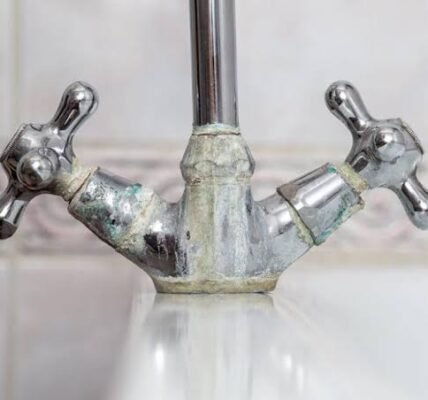
Minerals like calcium and magnesium slowly accumulate inside pipes, valves, boilers, water heaters, and commercial appliances. As that buildup grows thicker, equipment must work harder to deliver the same results.
Heating elements lose efficiency. Pumps experience additional strain. Water flow becomes more restricted.
Eventually, maintenance teams spend more time fixing preventable problems than improving operations.
These are costs that rarely appear on a single invoice. Instead, they spread across higher energy bills, unexpected repairs, shortened equipment lifespan, and increased downtime.
Why commercial equipment protection Starts with Better Water
Businesses invest thousands—sometimes millions—of dollars in equipment designed to operate for many years.
Protecting that investment should always be a priority.
That’s why commercial equipment protection begins long before repairs become necessary. Clean, properly treated water helps reduce mineral deposits that gradually wear down water heaters, boilers, dishwashers, cooling systems, laundry equipment, and production machinery.
When equipment operates under cleaner conditions, it generally performs more efficiently, experiences less internal wear, and requires fewer emergency repairs.
It’s a preventative strategy that often pays for itself over the lifetime of the equipment.
Every Building Has Different Water Conditions
A restaurant doesn’t use water the same way a hotel does.
A healthcare facility has different priorities than a manufacturing plant, and a small office building faces completely different demands than a large apartment complex.
Incoming water quality also varies from one location to another. Municipal water systems, private wells, plumbing age, and local geology all influence how water behaves inside a building.
Because of these differences, choosing water treatment equipment based solely on size or price rarely produces the best results.
Understanding the property’s specific needs always comes first.
Choosing reliable water softeners for Consistent Performance
Hard water remains one of the most common challenges facing commercial properties.
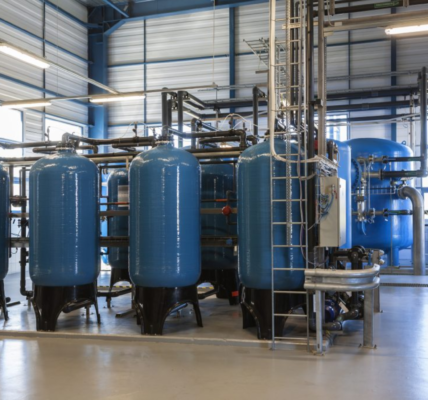
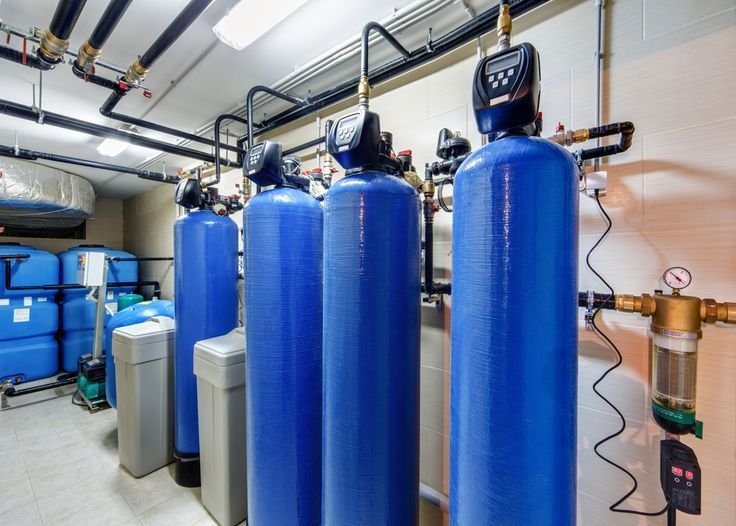
Fortunately, properly selected reliable water softeners can dramatically reduce the minerals responsible for scale buildup before they circulate through the building.
Softened water helps protect heating equipment, improves cleaning performance, extends appliance lifespan, and reduces the amount of maintenance required throughout the plumbing system.
Perhaps just as importantly, it provides consistency.
Businesses depend on predictable operations. Water quality shouldn’t become another variable that creates unnecessary interruptions or maintenance surprises.
Reliable treatment systems help eliminate much of that uncertainty.
Better Water Benefits Employees and Customers
Water quality isn’t only about machinery.
People notice the difference too.
Guests appreciate cleaner hotel bathrooms and softer towels. Restaurant customers enjoy better-tasting coffee, tea, and ice. Employees appreciate facilities where plumbing works properly, drinking water tastes fresh, and maintenance issues don’t constantly interrupt the workday.
These improvements often happen quietly.
Customers rarely compliment a business on its water treatment system, but they absolutely notice the overall experience created by cleaner facilities and dependable equipment.
Sometimes the most valuable improvements are the ones people simply expect without realizing why.
Why tailored water systems Deliver Better Long-Term Value
No two businesses share identical water requirements.
That’s exactly why tailored water systems outperform generic solutions.
Instead of installing the same equipment in every building, professionals evaluate water hardness, daily consumption, plumbing layout, equipment demands, and long-term operational goals before recommending a treatment system.
This customized approach ensures businesses receive equipment that’s appropriately sized and designed for their specific environment.
The result is better efficiency, fewer unnecessary expenses, and stronger long-term performance.
Rather than treating symptoms, tailored systems address the actual conditions affecting the property.
Prevention Is Always Less Expensive Than Repairs
Most business owners already understand the value of preventative maintenance.
Vehicles receive scheduled servicing before breakdowns occur. HVAC systems are inspected before seasonal demand increases. Fire safety equipment undergoes regular testing long before emergencies arise.
Water treatment deserves the same proactive attention.
Addressing water quality before mineral buildup becomes severe helps reduce maintenance costs, improve energy efficiency, and extend the lifespan of valuable equipment throughout the building.
Instead of reacting to failures, businesses stay ahead of them.
That shift alone can significantly improve operational reliability over time.
Better Water Supports Better Business
At the heart of every successful business is consistency.
Customers expect dependable service. Employees rely on functioning equipment. Owners need predictable operating costs and reliable infrastructure.
Water quietly influences all of those things.
Improving water quality helps protect expensive systems, reduces maintenance demands, supports better energy efficiency, and creates a more comfortable environment for everyone using the building. While these improvements may not always attract attention, they contribute to smoother operations every single day.
The best investments are often the ones that continue delivering value long after they’re made. Better water is one of those investments. By understanding your property’s specific water conditions and choosing treatment designed around those needs, you’re doing far more than improving water quality—you’re protecting your equipment, supporting your team, and building a stronger foundation for long-term business success.