
There are certain things around the house that quietly do their job without asking for attention. A water heater sits high on that list. It works early in the morning when you’re rushing to get ready, throughout the day while dishes are being washed, and again at night when everyone wants a warm shower before bed. Most of us barely notice it’s there—until one day the water turns cold.
That’s usually when people realize how much they rely on this everyday appliance.
The good news is that most water heater failures don’t happen out of nowhere. They leave little clues long before they completely stop working. Learning to recognize those signs, along with scheduling routine maintenance, can extend the life of your system and help you avoid costly emergencies.
A Water Heater Works Harder Than You Think
Unlike many household appliances, a water heater rarely gets a break. It cycles on and off throughout the day, maintaining temperature while responding to changing household demand.
Whether your family consists of one person or six, the unit continuously handles showers, laundry, dishwashing, and general cleaning. That’s a lot of work over the course of several years.
Eventually, normal wear begins to show. Heating elements weaken, thermostats lose accuracy, valves wear out, and sediment starts collecting inside the tank. None of these problems appear overnight, but ignoring them often allows small issues to grow into expensive repairs.
Routine Maintenance Makes a Noticeable Difference
Many homeowners don’t think about maintenance until something stops working. Ironically, that’s often the most expensive time to pay attention.
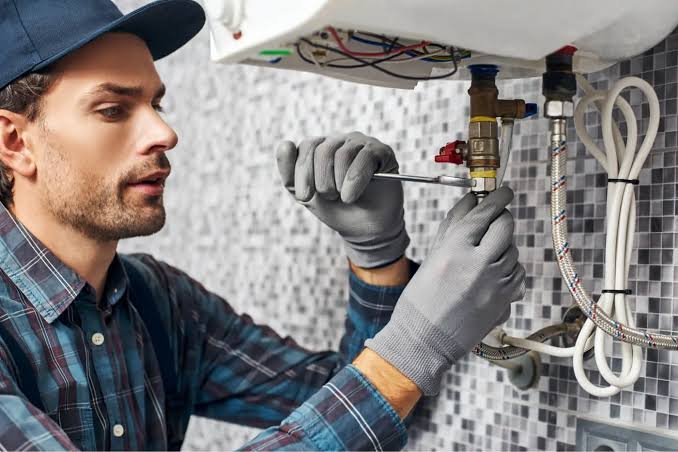
Simple maintenance tasks like flushing the tank, checking pressure relief valves, inspecting connections, and examining the anode rod can significantly improve efficiency. These inspections don’t take long, yet they help prevent premature equipment failure.
Scheduling regular water heater services also gives technicians the opportunity to identify hidden problems before they affect daily life. It’s much easier to repair a small leak or replace a worn component than it is to deal with a flooded utility room or complete system replacement.
A little preventive care truly goes a long way.
Sediment Is One of the Biggest Hidden Problems
If you live in an area with hard water, mineral buildup becomes almost unavoidable.
As water heats, calcium and magnesium settle at the bottom of the tank, creating a thick layer of sediment. Over time, this buildup forces the heater to work harder because the burner or heating element must warm the minerals before heating the water itself.
You may notice popping or rumbling sounds during heating cycles. Those noises are often trapped water bubbles escaping beneath the sediment layer.
Besides increasing energy consumption, sediment also shortens the lifespan of the equipment.
Regular flushing helps remove much of this buildup before it causes lasting damage.
Don’t Ignore Small Warning Signs
Water heaters rarely fail without warning.
Maybe your showers don’t stay warm as long as they once did. Perhaps the water temperature changes unexpectedly, or you notice rusty water coming from the tap. Some homeowners even discover moisture around the base of the tank but assume it’s harmless condensation.
Unfortunately, those seemingly minor symptoms often indicate larger issues developing inside the system.
Seeking professional repair early can prevent more extensive damage while reducing overall repair costs. Skilled technicians use specialized diagnostic tools to locate the actual source of the problem instead of simply replacing parts through trial and error.
That level of expertise often saves homeowners both time and money.
Energy Efficiency Matters More Than Ever
Utility bills have become a growing concern for many households, making efficient appliances increasingly valuable.
A properly maintained water heater consumes less energy because every component operates as intended. Clean heating surfaces transfer heat more effectively, accurate thermostats regulate temperature efficiently, and healthy components reduce unnecessary cycling.
Even modest improvements in efficiency become meaningful over several years.
In addition to lowering utility costs, efficient equipment experiences less strain, which generally translates into fewer breakdowns and a longer service life.
It’s one of those situations where maintenance pays for itself over time.
Repair or Replace? Knowing the Right Time
Every homeowner eventually faces the question: Should I repair my water heater or replace it?
The answer depends on several factors.
If the unit is relatively new and the issue involves a thermostat, heating element, or valve, repairs often make financial sense. However, if the tank itself has begun leaking or corrosion is widespread, replacement may be the better long-term investment.
Age also matters. Traditional storage tank water heaters typically last around ten to fifteen years with proper maintenance. Older units that require frequent repairs often become less economical than installing a modern, energy-efficient replacement.
A qualified technician can explain the available options without unnecessary pressure.
Choosing a Service Company You Can Trust
Not all plumbing companies offer the same level of service.
Experience, licensing, transparent pricing, prompt communication, and positive customer feedback all deserve careful consideration. A trustworthy company doesn’t rush through appointments or recommend expensive replacements without good reason.
Instead, they explain findings clearly, answer questions honestly, and focus on reliable solutions that meet both immediate needs and long-term goals.
That kind of relationship becomes especially valuable during unexpected emergencies.
Simple Habits That Help Your Water Heater Last Longer
Professional maintenance is important, but homeowners can also contribute to the longevity of their equipment.
Checking periodically for leaks around the tank, listening for unusual noises, maintaining reasonable thermostat settings, and avoiding unnecessary strain all make a difference.
If you’re leaving home for an extended period, adjusting the temperature according to manufacturer recommendations may also reduce wear while saving energy.
These aren’t complicated tasks, yet they support better performance year after year.
The Comfort of Consistency
Reliable hot water often goes unnoticed because it becomes part of daily life. Morning showers, clean dishes, fresh laundry, and comfortable evenings all depend on equipment quietly doing its job in the background.
When everything works properly, nobody thinks much about the water heater.
That’s exactly how it should be.
Investing a little time in preventive maintenance helps keep life running smoothly instead of scrambling to solve unexpected problems at inconvenient moments.
Final Thoughts
A dependable water heater contributes far more to everyday comfort than most homeowners realize. It supports countless daily routines while working almost continuously behind the scenes.
The smartest approach isn’t waiting until cold water forces immediate action. It’s recognizing early warning signs, scheduling routine inspections, and addressing minor concerns before they develop into expensive repairs.
Whether your current system is brand new or approaching the end of its lifespan, regular maintenance and timely professional care will always provide better value than emergency replacements. In the long run, protecting your water heater means protecting your comfort, your budget, and the simple conveniences that make a house truly feel like home.