
It’s funny how we treat our HVAC systems a bit like background characters in a play — always there, doing their job, until something goes wrong. That’s when the drama kicks in. The house is too hot, or freezing, and suddenly we’re wondering why we didn’t do that checkup six months ago. This isn’t just a home thing, either. Commercial buildings, offices, even small workshops rely heavily on heating, ventilation, and air conditioning systems. But here’s the kicker — like any hardworking machine, these systems need attention. Real attention.
Let’s talk about the less glamorous side of HVAC care: maintenance. Specifically, the small yet mighty steps like filter replacements that keep everything humming in the background.
The Unsung Hero: The Air Filter
You’d be surprised how much gunk your HVAC system pulls out of the air. Dust, pet hair, pollen, dander — even microscopic particles floating around like invisible confetti. And guess where it all goes? Straight to the filter. Over time, that filter gets clogged. Not just kind of clogged — we’re talking thick, suffocating layers that make your system wheeze.
Replacing filters might sound basic, but it’s foundational. It’s like brushing your teeth; skip it too often, and things start to decay. With regular filter replacements, airflow improves, air quality rises, and your system doesn’t have to work overtime. Less strain equals longer lifespan. And let’s be real — who wants to shell out for a new unit sooner than needed?
Listening to the Language of Machines: Diagnostics Matter
Now imagine your HVAC system could talk. It might say, “Hey, I’m leaking refrigerant,” or “My compressor’s struggling.” Of course, it can’t say any of that outright. But it does whisper — through noises, performance dips, or strange smells.
That’s where system diagnostics come in. It’s the tech-world equivalent of listening to your body when something feels off. Smart diagnostics can catch inefficiencies before they grow into problems. A sensor might spot a blockage, or a technician might notice that cooling cycles are too short. These aren’t just minor issues. Over time, they snowball. What starts as a hiccup becomes a breakdown — often at the worst possible moment.
Modern diagnostics tools have gotten crazy smart, too. Some systems send reports to your phone or maintenance service automatically. Think of it as your HVAC system sliding into your DMs with, “Hey, I need a little help here.”
Why Wait for a Breakdown?
We’ve all been guilty of reacting instead of planning. That moment when the AC dies in the middle of a sweltering August afternoon? It’s awful. Now imagine instead that you had a tech checking in on it every few months. Quietly inspecting coils, testing for leaks, cleaning blower parts. It’s not glamorous, but it’s gold.
Enter preventative service plans — the subscription you didn’t know you needed. These plans are like gym memberships for your HVAC system. They keep it fit, functioning, and far less likely to crash. The best ones include seasonal tune-ups, priority scheduling, discounted repairs, and detailed performance reports.
And let’s not forget — a well-maintained system is an efficient one. That means lower energy bills. So yes, that plan might cost a little upfront, but it pays you back in quiet comfort, month after month.
Little Fixes, Big Savings
There’s a common belief that maintenance is expensive. That it’s a hassle. But not maintaining your HVAC system? That’s the real budget killer. Emergency repairs, especially during peak seasons, can be painfully expensive. Even worse, you might have to replace an entire unit years before its time.
Here’s a scenario. A clogged air filter strains the motor. That strain shortens the motor’s life. The motor fails, the house goes cold, and the repair guy says, “You could’ve caught this with a routine check.” It’s like skipping oil changes on your car and being shocked when the engine seizes.
Small things matter. Clean ducts, sealed connections, calibrated thermostats — they all contribute to smoother operation. When you stack these “little” wins, the results are big: fewer breakdowns, longer system life, and better indoor air.
The Human Side of Climate Control
Here’s something people don’t always think about: air quality is health. Not just comfort — actual health. Bad filters mean more dust. Poor circulation can spread allergens. And HVAC systems that are poorly maintained can even host mold or bacteria, recirculating it into every room.
If someone in your family has asthma or allergies, these aren’t minor concerns. Regular HVAC care becomes a frontline defense for well-being. And in workspaces? Cleaner air means fewer sick days, higher productivity, and better morale.
It’s not just about machines. It’s about the people breathing the air those machines manage.
When It’s Time to Call the Pros
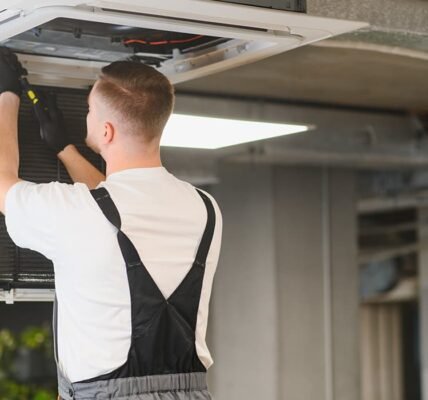
Sure, you can replace a filter yourself. Maybe even clean a vent or two. But most HVAC maintenance goes deeper. Coil cleaning, refrigerant level checks, electrical testing — these need a skilled hand. That’s where experienced techs come in, especially those who understand the quirks of your specific system.
A good HVAC technician doesn’t just fix problems. They anticipate them. They build a history with your system, notice changes, and suggest upgrades when needed. You’re not just buying a service — you’re investing in peace of mind.
Wrapping It Up (With a Breath of Fresh Air)
So next time you hear your HVAC kick on, take a moment. It’s not just background noise. It’s a sign of a system working hard to keep you comfortable. But like any tireless worker, it needs rest, care, and check-ins.
Don’t wait for the swelter or the freeze to pay attention. Build in regular care. Get those filter replacements, invest in smart system diagnostics, and don’t sleep on preventative service plans. Your future self — the one enjoying a cozy winter evening or a cool summer morning — will thank you.
In the end, HVAC maintenance isn’t about machines. It’s about comfort, health, and avoiding the chaos of unexpected breakdowns. That’s a pretty good reason to listen when your system starts whispering.