
It usually doesn’t start with anything dramatic. No sudden failure, no urgent repair call. Just a few small things that feel… slightly off. Maybe your kettle needs cleaning more often. Maybe your shower glass never really looks clear anymore. Or that faint taste in your tap water—you’ve noticed it, but never quite acted on it.
Water issues rarely announce themselves loudly. They build slowly, almost politely, until one day you realize they’ve been affecting your daily routine all along.
And that’s when people start paying attention.
Why These Little Signs Matter More Than You Think
At first glance, mineral spots or a strange taste don’t feel like serious concerns. They’re easy to live with. Easy to ignore. But over time, these minor annoyances tend to stack up.
Hard water minerals, for instance, don’t just sit on surfaces—they accumulate inside pipes, appliances, and heating systems. That buildup reduces efficiency, increases energy consumption, and shortens the lifespan of equipment you probably expect to last years.
Then there’s the taste and smell issue. Chlorine is commonly used to disinfect water, and while it does its job well, it can leave behind an aftertaste that’s hard to ignore once you’ve noticed it.
None of this is urgent. But it’s persistent. And persistence has a way of becoming a problem.
The Slow Impact of Mineral Buildup
Let’s talk about scale for a second. That chalky, stubborn residue that clings to faucets and forms inside kettles—it’s more than just a cosmetic issue.
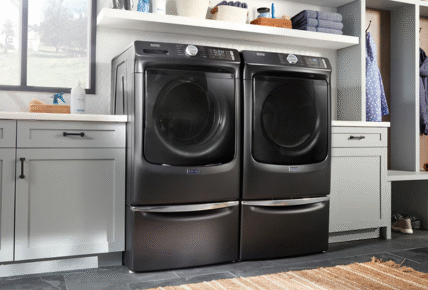
Inside your plumbing, scale builds layer by layer. Water flow becomes restricted. Heating elements work harder. Appliances like washing machines and dishwashers lose efficiency over time.
This is where scale prevention solutions come into the picture. Not as a dramatic fix, but as a quiet form of protection. These systems work behind the scenes, reducing mineral buildup before it becomes a real issue.
And the difference? It’s subtle at first. But over time, it shows up in longer-lasting appliances, fewer repairs, and a smoother daily routine.
That Taste You Can’t Quite Ignore
If you’ve ever poured a glass of tap water and hesitated before drinking it, you already understand this part.
Chlorine isn’t necessarily harmful at the levels used in municipal water, but it does affect taste and smell. For some people, it’s barely noticeable. For others, it’s enough to make them reach for bottled water instead.
But bottled water isn’t always the ideal solution—financially or environmentally.
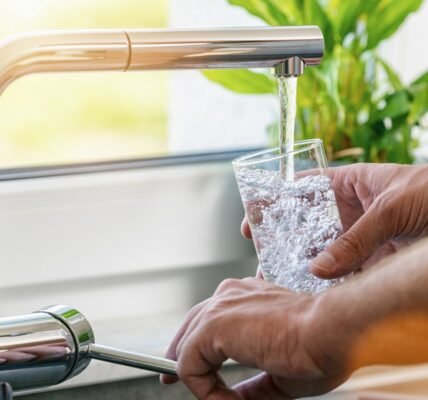
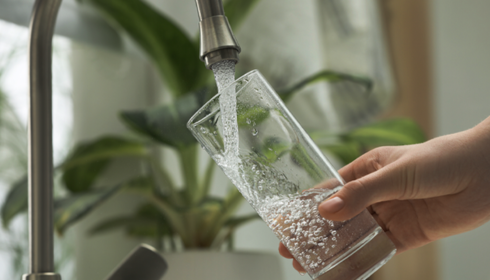
That’s why chlorine taste reduction has become a common focus in home water treatment. Simple filtration systems can significantly improve how water tastes and smells, making it more enjoyable to drink straight from the tap.
It’s a small upgrade, but one that often changes habits. People start drinking more water, cooking with it more confidently, and relying less on alternatives.
Looking Beyond What You Can See
Here’s the tricky part—not everything in water is visible or easy to detect.
Some contaminants don’t affect taste, smell, or appearance at all. They’re just… there. Trace metals, organic compounds, microscopic particles. Most are present in very small amounts, but that doesn’t mean they’re irrelevant.
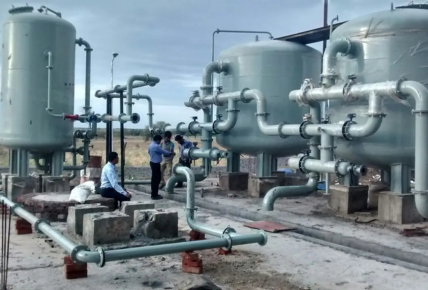
This is where contaminant removal becomes an important consideration. Advanced filtration methods are designed to target these less obvious elements, providing an extra layer of reassurance.
It’s not about fear. It’s about awareness. Knowing that your water has been treated thoughtfully, not just superficially.
Why There’s No One-Size-Fits-All Answer
One of the biggest mistakes people make is assuming there’s a single “best” solution for water problems. But water conditions vary—sometimes drastically—from one location to another.
What works perfectly in one home might be unnecessary or ineffective in another.
That’s why it’s important to understand your specific situation. Is hardness the main issue? Is it taste? Are there particular contaminants you’re concerned about?
Once you have clarity, the right solution tends to become obvious. And often, it’s simpler than you expect.
The Benefits You Notice… and the Ones You Don’t
Improving water quality doesn’t always come with a dramatic before-and-after moment. In fact, some of the most meaningful benefits are the ones you barely notice.
Your appliances run a little more efficiently. Your cleaning routine becomes easier. Your skin feels less dry after a shower. These are quiet improvements, but they add up.
Then there’s the less tangible side of things—the peace of mind. Knowing that your water is cleaner, better balanced, and more reliable. It’s not something you think about constantly, but it’s there in the background, making everyday life just a bit smoother.
Starting Without Overthinking It
If all of this feels like a lot, take a step back.
You don’t need to solve everything at once. Start by paying attention to your water. Notice how it behaves, how it tastes, how it affects your home.
From there, consider testing. Even a basic analysis can point you in the right direction. It takes the guesswork out of the process and helps you focus on what actually matters.
And once you know what you’re dealing with, the path forward becomes much clearer.
A Final Thought That Stays With You
Water is one of those things we rely on without giving it much thought—until something feels off. And when it does, it has a way of quietly influencing everything around it.
Improving it doesn’t require drastic changes. Just thoughtful ones.
Because at the end of the day, it’s not about chasing perfect water. It’s about creating a home where the small, everyday details—like the water you drink and use—feel just right.
And sometimes, that’s all it takes to make a noticeable difference.