What’s Really in Your Water? A Homeowner’s Guide to Testing, Trust, and Peace of Mind

We trust water. We bathe in it, cook with it, drink it straight from the tap. Most days, we don’t even think about it. It’s there—clear, cool, familiar. But here’s the thing: water isn’t just H₂O. It’s a traveler. And along its journey—from reservoirs or wells to your sink—it can pick up more than just minerals.
Maybe it’s a hint of chlorine. Maybe it’s rust from old pipes. Maybe it’s nothing you can see or taste—but something your body notices over time. These small, often invisible issues can add up. So if you’ve ever raised an eyebrow at a weird smell or taste, or just want to be proactive, this article’s for you.
Because knowledge is power—and in this case, it’s also hydration, health, and home care wrapped into one.
The Hidden Story in Your Tap Water
You might live in a city with treated municipal water. You might be on a private well. Either way, the assumption tends to be: if the water’s flowing, it must be safe. But safe according to whom?
Municipal water must meet minimum federal standards, yes. But aging infrastructure, environmental runoff, and regional contamination can still sneak past. And well owners? You’re on your own. No government agency is monitoring what’s coming through your pipes—only you can do that.
It’s kind of like getting a physical. You might feel fine, but until you run the labs, you don’t really know what’s going on inside.
Why You Might Need to Test (Even If Everything Seems Fine)
Let’s be honest, most people don’t even think about water testing until something’s clearly off—like a strange odor, a metallic taste, or stains in the tub. But here’s the catch: a lot of the most dangerous contaminants are silent.
Lead, nitrates, arsenic… they don’t always come with warning signs. They slip in quietly, accumulate slowly, and can cause health issues down the line—especially for children, pregnant women, and those with compromised immune systems.
Which is why it’s smart to look into water testing near me, even if there’s no visible issue. Because if something is off, wouldn’t you rather know now than later?
What Water Testing Actually Reveals
Getting your water tested isn’t just about checking one box. A comprehensive test can tell you:
- Whether your water is “hard” or “soft”
- If there are heavy metals like lead or mercury
- Bacterial contamination like coliform or E. coli
- The presence of nitrates, chlorine, or other disinfectants
- Volatile Organic Compounds (VOCs)
- Sulfur (that rotten-egg smell)
- pH levels and acidity
It’s like reading a full ingredient label—but for your tap.
And once you know what’s in there, you can decide whether you need a simple faucet filter or a full-blown treatment system.
DIY vs Professional Testing: What’s the Deal?
So, you’re ready to test. Great. Now what?
There are home kits you can buy online or from hardware stores. These are decent for checking pH, hardness, and maybe chlorine. But they’re not foolproof. And they won’t give you the kind of certified, lab-analyzed results you’d need to make major decisions—or satisfy health concerns.
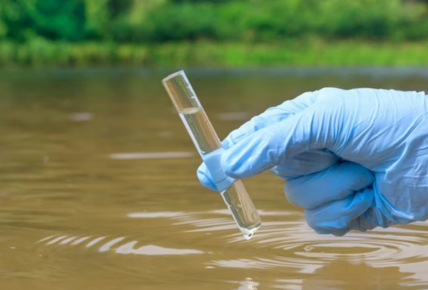
That’s where finding trusted water testing near me comes into play. Local professionals can take a sample, send it to a certified lab, and return a clear, detailed report. Some even offer free basic testing and consultations, especially if they also sell filtration or softening systems.
The key here isn’t just accuracy. It’s context. A local expert knows what’s common in your area—whether it’s iron-rich wells or post-industrial runoff—and can help you interpret results that might otherwise look like alphabet soup.
What Happens If the Results Aren’t Great?
Let’s say you get your test results back and they’re… concerning. Maybe the lead levels are just under the legal limit (but not where you’d feel comfortable). Or maybe you’ve got high hardness, which isn’t dangerous but is ruining your appliances and leaving your skin dry.
Good news: you’re not stuck. There are real, affordable solutions.
You might install a reverse osmosis system under the kitchen sink for pure drinking water. Maybe a whole-house carbon filter if you’re worried about chlorine or VOCs. Or a water softener to tackle those hard minerals.
The beauty of testing is that it removes the guesswork. No more standing in a store aisle wondering which filter is the “right” one. You’ll know exactly what your water needs—and what it doesn’t.
How Often Should You Test?
The EPA recommends once a year for private well owners. Municipal water users can rely on annual reports (called Consumer Confidence Reports), but if you’re noticing any changes—taste, color, pressure, even skin irritation—it’s smart to test more often.
If you’re in a newly built home or just bought a property, testing ASAP is a no-brainer. Same goes for if you live near farming operations, factories, or areas with known water issues.
And if you’re still not sure, just look up a reputable service offering water testing near me and ask. Most professionals will guide you through what’s needed and why.
The Ripple Effects of Clean Water
Let’s zoom out a little.
When you know your water is safe and clean, something shifts. You stop second-guessing your tap. You use less bottled water. You might even notice your tea tastes better, your clothes come out softer, and your skin isn’t as dry.
It’s peace of mind. And it’s one less thing to worry about in a world full of noise.
Final Thoughts: Knowledge Over Assumptions
We live in an age where we track our steps, read every food label, and research every shampoo. So why wouldn’t we apply that same curiosity to what flows through our faucets?