
Let’s be honest — if you’ve ever taken a sip of tap water in Florida, chances are you paused, frowned, maybe even gave it a good sniff before setting it down. That oddly sulfuric, metallic, or even musty scent? Yeah, you’re not alone in noticing it. In fact, it’s one of the most common complaints among new residents, tourists, and even some locals. So, why does Florida’s water smell the way it does? And more importantly, is it safe to drink?
Grab a glass (or maybe don’t just yet), and let’s dive into this strange sensory experience.
The Natural Roots of Florida’s Funky Water
Before blaming your water company or assuming your pipes are rusty, let’s start with geography. Florida is practically floating on a massive limestone aquifer — the Floridan Aquifer System, one of the most productive in the world. This underground layer of porous rock stores and filters water naturally. Sounds great, right? But here’s the thing: limestone contains sulfur compounds, and when water percolates through it, it tends to pick up that distinct “rotten egg” scent.
So, why does the water in Florida smell weird? In many cases, it’s because of hydrogen sulfide gas that comes from this interaction with sulfur-rich rock. While it smells off-putting, it’s usually not harmful in the small amounts found in drinking water.
Chlorine: The Unwanted Plus-One
The water’s not just naturally smelly — sometimes it’s chemically enhanced. To make sure drinking water is safe, municipalities often add chlorine to kill off bacteria and viruses. While this is a standard (and necessary) treatment method across the U.S., Florida seems to go a bit heavier on the dosage in some areas.
And here’s where things get even more interesting: when chlorine mixes with organic material — say, naturally occurring leaves or plant matter in source water — it can produce additional compounds that make the smell even more unpleasant. Some describe it as pool-like, others say it’s almost like dirt. Either way, Florida water smell complaints can often be traced to these interactions.
Regional Differences: Not All Cities Are the Same
Let’s zoom in a little — because not all Florida water smells are created equal. If you’ve been to Orlando, you might’ve noticed the water smells particularly strange compared to other cities like Tampa or Miami. There’s a reason for that.
Why does Orlando water smell the way it does? Well, the city draws most of its water from deep within the Floridan Aquifer. While that provides a reliable and abundant supply, it’s also particularly rich in minerals and sulfur compounds. In addition, Orlando’s utilities use chloramine — a mix of chlorine and ammonia — which has a distinct chemical scent and flavor that lingers. It’s technically safe, but your nose and taste buds may strongly disagree.
So… Is It Dangerous?
Here’s the reassuring part: for the most part, no — it’s not dangerous. The unpleasant odor doesn’t mean your water is toxic. Hydrogen sulfide, the main culprit behind that “rotten egg” smell, is safe at low levels and even naturally occurs in some bottled mineral waters. Same goes for chlorine and chloramine — both are approved by the EPA for use in public water systems.
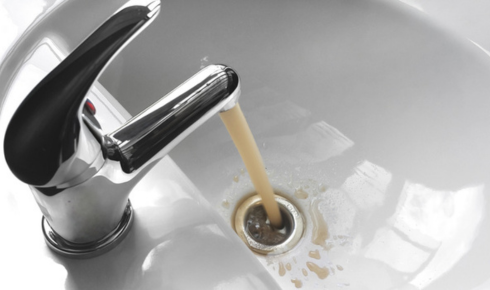
However, if your water smells especially pungent, looks cloudy, or has a metallic tint, it might be a good idea to get it tested. Home plumbing, old pipes, or well contamination can introduce other risks that go beyond a foul odor.
Solutions People Swear By
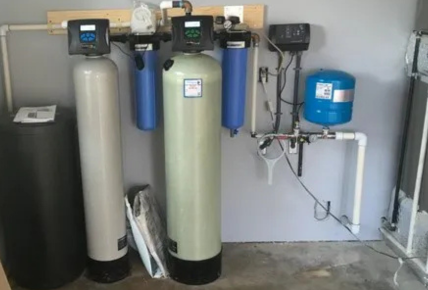
If you’re living in Florida and tired of funky water ruining your morning coffee, don’t worry — there are solutions. The most common fix? A carbon-based filtration system, such as a refrigerator filter or under-sink reverse osmosis system. These are pretty effective at reducing sulfur smells and chlorine taste.
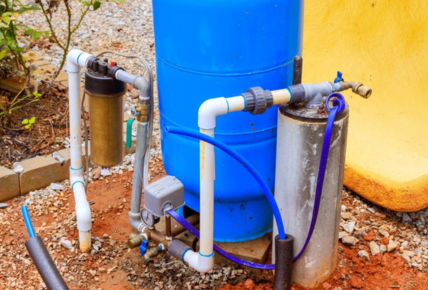
For homeowners dealing with well water, aeration and oxidation filtration systems can dramatically cut down on hydrogen sulfide levels. Some residents also opt for whole-house filters, especially in neighborhoods where sulfur levels are higher.
Even simple changes — like letting water sit in a pitcher for a few hours — can allow chlorine to dissipate and the odor to fade.
Real Talk: You’ll Probably Get Used to It
This might sound strange, but a lot of Florida residents say that after a few months, they just stop noticing the smell altogether. Taste and scent are deeply subjective, and our brains are surprisingly good at adjusting to recurring stimuli. So what might smell offensive to a newcomer may not register at all to someone who’s lived there for a year.
That said, you shouldn’t have to “just live with it” if it’s bothering you. Testing your water (especially if you’re on a well) and investing in a decent filter can go a long way in improving your daily experience.
Tourist Tip: Bottled May Be Best
If you’re just visiting Florida — especially for the first time — and you’re wondering what’s up with the tap water, you’re not imagining things. Hotel guests frequently leave reviews mentioning the strange smell in the bathroom or the odd taste in their morning tea. Your best bet? Stick with bottled or filtered water if you’re sensitive to smells, especially in places like Orlando or older beach towns.
It’s not a dealbreaker, but it can definitely be a minor nuisance during your stay.
Wrapping It All Up
So, next time someone asks you “why does the water in Florida smell?” you’ll have a solid answer. It’s a mix of natural geology, treatment chemicals, and regional quirks — not poor hygiene or neglect. And while the scent might make you cringe, it’s almost always harmless. Still, if your water smells too funky, looks weird, or tastes metallic, don’t ignore it. Trust your senses and consider a test or filter.
Florida might be paradise when it comes to beaches and sunshine, but when it comes to tap water? Let’s just say… it has a personality.