
There’s nothing quite like the feeling of crisp, fresh water flowing from your tap—until it starts leaving chalky residue on your showerhead or makes your clothes feel stiff after laundry day. If you’ve ever stared at a cloudy glass pulled straight from the dishwasher or wondered why your skin feels oddly dry even after a long shower, you’re not alone. These small frustrations often point to something deeper: the presence of hard water in your home.
But what does “hard” water even mean? And more importantly—what’s it doing to your pipes, appliances, and even your skin?
Let’s explore the gritty truth about hard water, the role of minerals like calcium in water, and why understanding the science behind your water could save you from some expensive (and frustrating) surprises.
The Basics: What is Hard Water?
At its core, hard water is just water that contains a high concentration of dissolved minerals—mostly calcium and magnesium. These minerals aren’t dangerous to drink, but they do cause a number of household inconveniences and long-term problems.
Where do these minerals come from? Simple—groundwater picks them up as it moves through limestone and chalk deposits. So, depending on where you live, you could have water that’s relatively “soft” or water that’s hard enough to cause buildup in your kettle after just a few boils.
Calcium in Your Tap: Friend or Foe?
On paper, calcium in water doesn’t sound so bad. After all, calcium is essential for strong bones and healthy teeth, right? And yes, getting a bit of calcium from your drinking water can technically contribute to your daily intake.
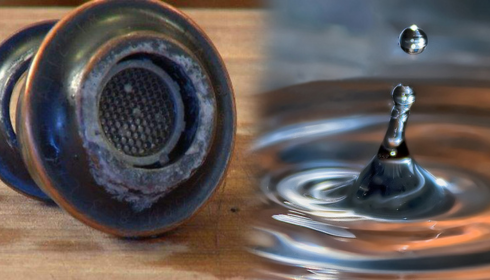
But when it comes to your home’s plumbing, calcium is a real pain. This mineral leaves behind scale—a crusty white residue that builds up inside pipes, on faucets, and inside water-based appliances like kettles, dishwashers, and washing machines. It’s the reason your once-shiny fixtures start looking dull, and it’s why your hot water heater may start running less efficiently over time.
Worse, that chalky buildup doesn’t just look ugly. Over time, it restricts water flow, reduces appliance lifespan, and increases your energy bills. All from a mineral that seems harmless in your glass.
Let’s Talk Magnesium
Now, let’s zoom in on magnesium in water. Like calcium, magnesium is an essential nutrient. It supports nerve function, helps regulate muscle contractions, and even aids in heart health.
But again, the problem lies in too much of a good thing. High levels of magnesium contribute just as much as calcium to the stubborn scale clinging to your pipes and fixtures. Together, these minerals form an unbeatable duo when it comes to clogging up your home’s plumbing and making your soap feel like it never quite rinses off.
Ever notice that your shampoo doesn’t lather well in the shower? Or that your skin feels filmy after bathing? That’s the magnesium and calcium cocktail doing its thing—binding with soap and reducing its effectiveness. Not only is it annoying, but it also means you’re probably using more soap, detergent, and shampoo than necessary.
The Sneaky Cost of Hard Water Damage
You might be tempted to think of hard water as a minor nuisance—something that leaves a few spots on your glasses or makes your towels feel a little rough. But hard water damage runs deeper, and the price tag can be steep if you ignore it.
Let’s start with appliances. Hard water makes your water heater work overtime. As mineral deposits collect inside the tank, it takes more energy to heat the water. That equals higher utility bills and a shortened lifespan for the appliance. The same goes for dishwashers and washing machines, which get bogged down with mineral buildup, reducing efficiency and performance.
Then there’s the plumbing. Over time, the inside of your pipes narrows as scale accumulates. Water pressure drops, flow slows down, and eventually—bam—you’re dealing with clogged pipes or even leaks. Repairs aren’t cheap, and if the damage is widespread, you could be looking at a full-on repiping job.
And don’t forget your skin and hair. Hard water strips away natural oils, leading to dryness, irritation, and frizz. It’s especially harsh on sensitive skin, and if you have eczema or psoriasis, it can make symptoms worse.
The Emotional Toll: It’s Not Just About Pipes
Look—we all want our homes to be low-maintenance. Dealing with recurring soap scum on tiles, lifeless hair, or scratchy towels can feel like death by a thousand cuts. You end up cleaning more, replacing appliances sooner than expected, and spending extra on soaps and detergents that can’t do their job properly.
It wears you down, doesn’t it?
When something as simple as water becomes a daily source of frustration, it impacts your quality of life. You start dreading the dishwasher cycle. You avoid wearing whites because they turn dingy. You second-guess whether your shower actually left you feeling clean.
That’s why taking hard water seriously isn’t just about being a smart homeowner—it’s about reclaiming ease and comfort in your space.
So What Can You Do?
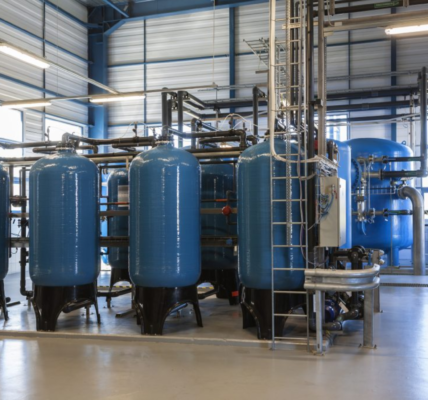
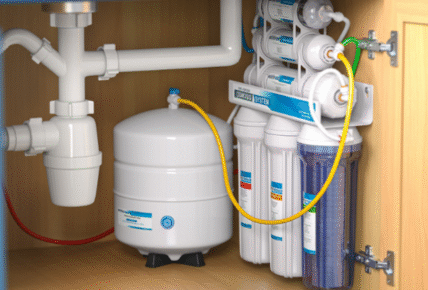
Thankfully, this problem isn’t unsolvable. The most effective solution is installing a water softener system. These systems work by replacing calcium and magnesium ions with sodium or potassium, effectively neutralizing the culprits behind hard water damage.
There are also salt-free conditioners, magnetic descalers, and even home filtration systems that reduce mineral content to varying degrees. Depending on your water hardness level and budget, there’s a solution out there for nearly every household.
You might also consider regular descaling for appliances and pipes, using vinegar or commercial solutions to remove mineral deposits. It’s a bit of work, but it can help prolong the life of your appliances and keep things running smoothly.
Final Thoughts: It’s Just Water… Until It Isn’t
It’s easy to overlook water. It’s clear, tasteless (most of the time), and always available with the turn of a tap. But when it’s “hard,” it quietly disrupts everything—from the efficiency of your water heater to the feel of your favorite towel.
If you’ve been ignoring the signs, consider this your wake-up call. That foggy glassware and dull faucet might be telling you more than you realize.
Taking action now can save you money, protect your home, and make every drop of water feel like the luxury it should be.
Because clean, soft water isn’t a fancy extra—it’s the baseline your home deserves.