
We all know water is essential. It’s the heartbeat of your home. You drink it, cook with it, bathe in it, wash your laundry with it—basically, water touches almost everything in your day, whether you’re paying attention or not. And yet, for something so critical, we rarely stop to ask: Is my water actually clean and safe?
Maybe you’ve caught a strange smell. Or you’ve noticed chalky buildup on your showerhead. Maybe your coffee doesn’t taste quite right. Whatever the trigger, once you suspect your water isn’t quite what it should be, it’s hard to unsee it. And that’s where the conversation around finding the right water solution begins—not in a panic, but with a sense of curiosity and care.
More Than Just “Clear”
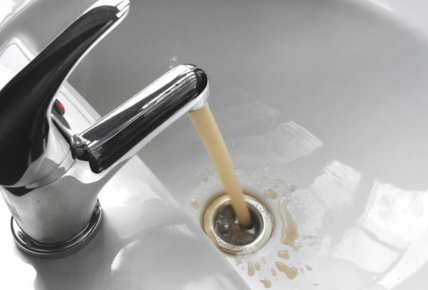
Let’s bust a myth: clear water doesn’t always mean clean water.
Even if your water looks fine, it can still carry unwanted passengers—like chlorine, sediment, metals, bacteria, and more. And no, this isn’t fearmongering. It’s just the truth. Municipal water systems do a decent job of meeting safety standards, but “safe” doesn’t always mean optimal. And if you’re on a private well? That’s a whole other story.
Here’s the thing: your water doesn’t have to be dangerous to be problematic. Hard water, for example, is full of minerals that clog your pipes, dry out your skin, and leave your appliances gasping for breath over time. And don’t even get started on how it messes with your laundry.
When It’s Time to Call the Pros
Sure, you could buy a Brita pitcher and call it a day. And maybe that works—for a while. But most water issues go deeper than surface level, and treating symptoms won’t fix the root cause.
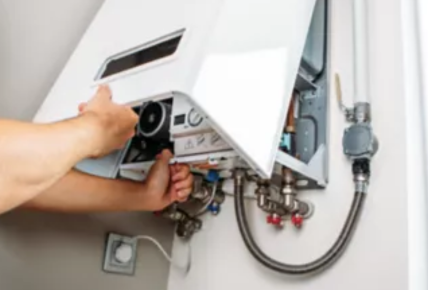
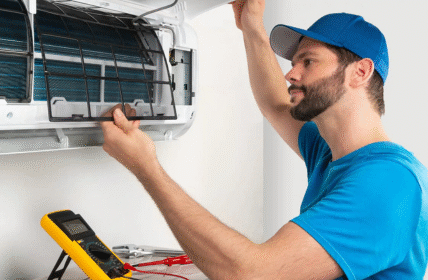
That’s when talking to water experts can change everything. These aren’t just sales reps or customer service folks—they’re trained professionals who know how to read water reports, understand local plumbing systems, and help tailor real, effective solutions for your home or business.
They’ll ask smart questions. What kind of water system do you have now? What are your concerns? Are there kids in the house? Do you use well water? And then—this is the important part—they’ll listen. No pressure. No jargon. Just real advice.
What Kind of Fixes Are We Talking About?
Good question. Solutions can range from simple under-sink filters to whole-home softening and purification systems. Some homeowners start with just improving the taste of their drinking water. Others want to tackle scale buildup, odor, or even harmful contaminants like lead or bacteria.
The key is customization. There’s no “one-size-fits-all” in water treatment. What works for a ranch in the countryside probably isn’t right for a downtown apartment. That’s why water solution support is so important—it’s not just about choosing a product; it’s about ongoing care, maintenance, and knowing who to call if something changes down the road.
And yeah, your needs might evolve. Maybe you install a system today because of hard water, and later want to upgrade to address chlorine levels or heavy metals. That’s why working with a team that offers long-term support—not just a quick install and goodbye—matters more than you’d think.
Your Home Will Thank You
Cleaner water doesn’t just help your health—it helps your house, too.
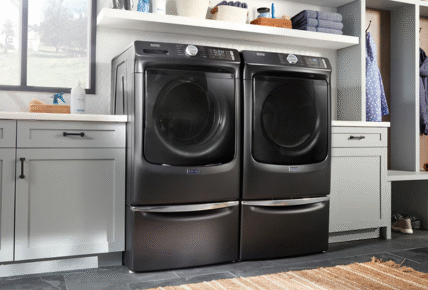
Appliances like dishwashers, water heaters, and washing machines last longer with properly treated water. Plumbing doesn’t get gummed up with calcium deposits. Showerheads don’t clog. And your soap? It actually lathers like it’s supposed to. Your skin feels better, your laundry looks brighter, and yes—your morning coffee tastes way smoother.
These are small wins, sure, but they add up. And they’re worth it.
The Bigger Picture: Peace of Mind
Here’s the real deal. Clean water brings peace of mind. You don’t have to wonder if what you’re drinking is safe. You don’t hesitate to give your kids a bath or fill up the dog’s bowl. You stop spending money on bottled water or worrying about the lifespan of your appliances.
It’s one of those investments you feel daily. And once it’s done, you wonder why you waited so long.
One Last Sip
So if you’re standing at your sink wondering what’s really coming out of the tap, trust that instinct. Ask the questions. Start the conversation. Whether your concerns are small or serious, whether you’re on city water or your own well, the path to better water starts with a single step.