
There’s something deeply satisfying about living in a home that draws its own water. It feels independent, self-reliant — almost like you’re a little closer to nature than the average city household. No municipal bills, no worrying about city-wide outages, and a sense that your water source belongs entirely to you.
But that independence comes with a quiet responsibility most people don’t fully understand at first.
Unlike city water systems that are constantly monitored by public authorities, private wells rely entirely on homeowners to keep them safe, clean, and functional. And when everything works smoothly, you barely think about it. Turn the tap, water flows — life continues as usual.
It’s only when something changes that the reality sets in.
The First Signs Something Isn’t Quite Right
For many well owners, issues begin subtly. Maybe the water pressure feels weaker than usual. Maybe there’s a slight earthy smell after heavy rainfall. Sometimes you’ll notice sediment settling at the bottom of a glass.
None of these signs necessarily indicate a serious problem — but they do signal that a well system needs attention.
That’s why regular well services play such an important role in maintaining safe water access. These services go beyond simple inspections. They include checking the structural integrity of the well, ensuring proper sealing, evaluating water quality, and verifying that pumping equipment functions efficiently.
Many homeowners only schedule professional servicing when problems arise. But those who take a proactive approach often avoid costly repairs and long-term health risks.
Think of it like maintaining a vehicle — routine care keeps everything running smoothly, quietly, and reliably.
Understanding the Heart of the System: The Pressure Tank
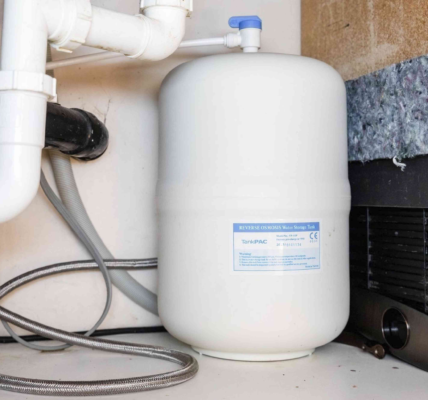
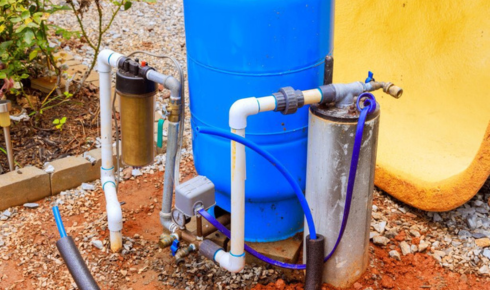
One of the most misunderstood parts of a well system is the pressure tank. Most homeowners don’t even realize it exists — until something goes wrong.
This tank regulates water pressure throughout the house. Without it, water flow would fluctuate constantly, and the pump would turn on and off far too frequently, causing premature wear.
Over time, pressure tanks can develop issues such as air loss, internal bladder damage, or sediment buildup. When this happens, homeowners might notice inconsistent water pressure, strange noises, or unusually high energy bills.
This is where pump pressure tank services become essential. Professional technicians can recalibrate pressure levels, repair or replace damaged components, and ensure the system operates efficiently.
Proper maintenance not only improves daily comfort — it significantly extends the lifespan of the entire well setup.
And honestly, there’s nothing quite as frustrating as unpredictable water pressure when you’re halfway through a shower.
Water Quality: What You Can’t See Still Matters
Even when a well system operates perfectly, water quality can vary depending on environmental factors. Seasonal changes, nearby construction, agricultural runoff, and natural mineral deposits all influence groundwater composition.
Some changes are noticeable — like discoloration or unusual taste. Others are completely invisible.
That’s why many well owners eventually turn to advanced purification methods such as reverse osmosis. This technology filters water through a specialized membrane that removes dissolved solids, heavy metals, bacteria, and chemical contaminants.
The result is exceptionally clean drinking water, often surpassing municipal standards. Many homeowners describe it as having a noticeably fresher taste — lighter, smoother, almost crisp.
While reverse osmosis systems require periodic maintenance, they provide peace of mind that’s hard to match.
Because when you rely entirely on your own water source, that reassurance becomes invaluable.
The Emotional Side of Well Ownership
Owning a private well isn’t just a technical responsibility — it’s an emotional one too.
There’s a unique sense of trust involved. You’re responsible not only for maintaining equipment but for safeguarding the water your family depends on every day.
It can feel overwhelming at times, especially for new homeowners unfamiliar with well systems. But over time, most people develop confidence as they learn how their system works.
Routine testing, maintenance schedules, and professional support gradually turn what once felt intimidating into something manageable — even empowering.
And there’s a quiet pride that comes with knowing your household water supply is entirely under your control.
Small Habits That Make a Big Difference
Maintaining a healthy well system doesn’t require constant attention. Instead, it’s about building a few consistent habits.
Regular water testing, timely equipment inspections, and paying attention to subtle changes in pressure or water quality can prevent most major issues. Addressing small problems early often avoids expensive repairs later.
Many experienced well owners will tell you the same thing: once you establish a routine, maintaining a well system becomes surprisingly straightforward.
And the benefits — reliable water, independence, and long-term cost savings — make the effort worthwhile.
A Thoughtful Closing: Respecting the Source That Sustains Us
Water from a private well represents something rare in modern life — direct connection to a natural resource. It reminds us that the conveniences we enjoy daily depend on systems that require care and attention.
Taking responsibility for that care isn’t just about maintenance. It’s about respect — for the resource itself, for the environment, and for the health of the people who rely on it.