
There’s a moment in early spring when you open the back door and feel that first stretch of warm air. Suddenly the house feels smaller — not in a bad way, just in a way that makes you want to step outside. You start noticing the patio that could use an upgrade. The yard that has potential. The way your living room might flow better if it felt connected to what’s beyond the glass.
Homes aren’t just structures anymore. They’re experiences. And more than ever, people are thinking about how to make every square foot — inside and out — work harder, feel better, and reflect who they are.
The line between indoors and outdoors is getting softer. And honestly, that shift feels overdue.
Extending Comfort Beyond Four Walls
For years, patios and backyards were treated as afterthoughts. A grill here, a plastic chair there, maybe a string of lights if you were feeling ambitious.
But modern homeowners are rethinking that approach. Well-designed outdoor living spaces aren’t just decorative — they’re functional extensions of the home.
Think covered patios with built-in seating. Outdoor kitchens that make hosting feel effortless. Fire pits that anchor conversation on cool evenings. Pergolas that filter sunlight just enough to make afternoons comfortable.
The goal isn’t extravagance. It’s usability.
When outdoor areas are designed with intention, they become gathering spots. They encourage lingering. They invite life to happen beyond interior walls.
And in climates where the weather cooperates most of the year, that added square footage can dramatically increase how a home feels day to day.
Rethinking the Interior Flow
Of course, exterior upgrades are only part of the story. What happens inside matters just as much.
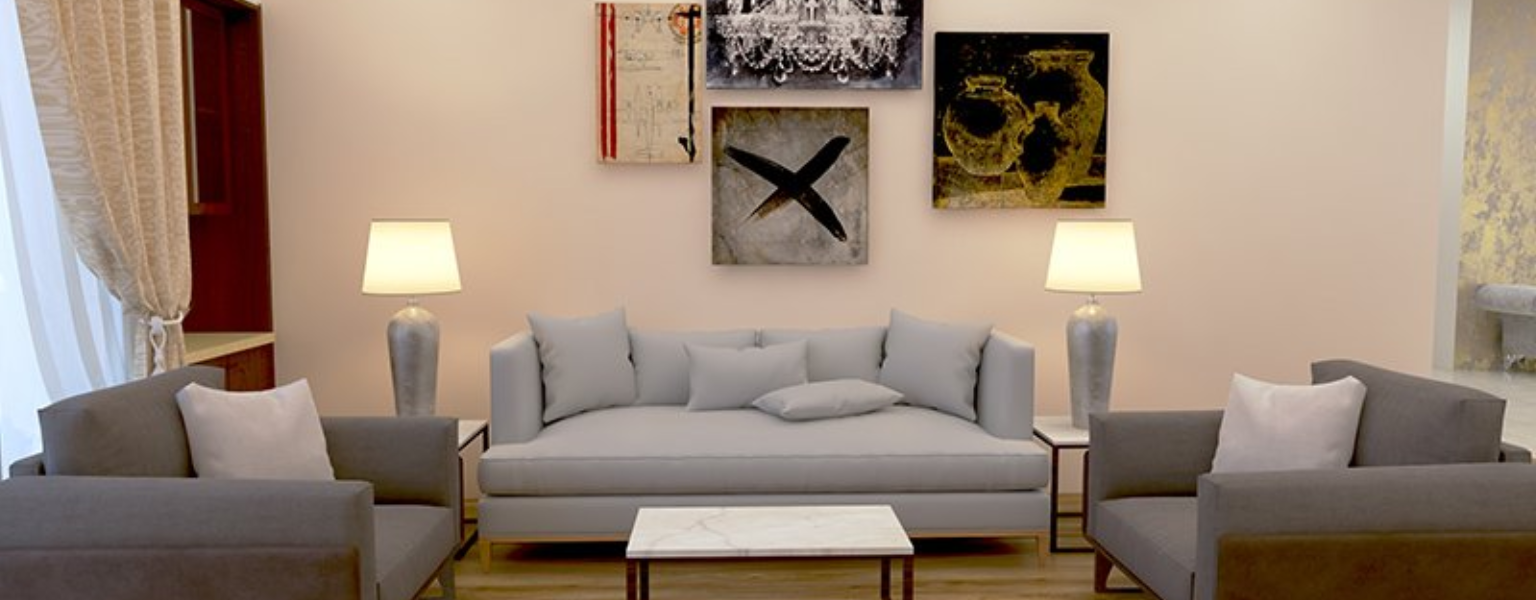
Thoughtful interior renovations often focus on flow and light. Removing unnecessary walls. Widening doorways. Upgrading windows to create stronger visual connections to the outdoors.
There’s something powerful about standing in your kitchen and seeing the backyard through expansive glass doors. It makes the entire space feel larger, even if the footprint hasn’t changed.
Inside, renovations frequently prioritize flexibility. Open layouts that adapt to entertaining. Multi-purpose rooms that serve as offices by day and guest spaces by night.
The best interior changes don’t just improve appearance — they reduce friction. Cooking becomes easier. Movement feels intuitive. Storage is smarter.
And when the interior supports your lifestyle instead of complicating it, the difference is noticeable.
Inspiration That Feels Real
Scrolling through glossy magazines or curated online galleries can spark ideas, but the most useful inspiration often comes from relatable design showcases.
Real projects reveal what’s achievable. Not every renovation needs to be dramatic. Sometimes it’s a subtle shift in color palette. Sometimes it’s reworking a layout without expanding square footage.
Looking at completed projects helps clarify what resonates. Maybe it’s natural wood tones paired with black accents. Maybe it’s a seamless transition from hardwood floors to outdoor decking.
Inspiration becomes a tool, not a template.
The Balance Between Beauty and Function
It’s tempting to chase trends — bold tile patterns, dramatic lighting fixtures, statement furniture.
But beauty should never outpace practicality.
Outdoor furniture needs to withstand weather. Interior finishes must hold up to daily wear. Materials should be chosen not just for appearance, but for durability.
A space that photographs beautifully but doesn’t function well won’t feel satisfying long-term.
Design that lasts balances aesthetics with usability.
Budgeting with Perspective
Renovation projects, whether inside or outside, come with financial considerations.
The key is prioritization. Determine where investment will make the biggest impact. Upgrading structural elements like windows or roofing might deliver long-term value. Adding lighting and storage can improve everyday comfort without overwhelming the budget.
Phased projects are also an option. Exterior upgrades this year. Interior refinements next year.
Progress doesn’t have to happen all at once.
The Emotional Side of Space
We often underestimate how environment affects mood.
Natural light improves focus and energy. Organized storage reduces stress. Comfortable outdoor seating encourages connection.
Spaces shape behavior in subtle ways. A thoughtfully designed patio invites gatherings. A bright, open kitchen encourages cooking. A cozy living room fosters relaxation.
When your home supports your habits instead of resisting them, life flows more smoothly.
Choosing the Right Team
Whether updating interiors, exteriors, or both, collaboration matters.
Discuss goals openly. Share inspiration images. Clarify timelines and expectations. Ask about material longevity and maintenance.
The best results come from shared understanding.
Final Thoughts: Living Without Limits
Homes are no longer just places to sleep and store belongings. They’re where we work, gather, rest, and recharge.
Blurring the line between indoors and outdoors expands possibilities. It adds dimension to daily life.
Whether you’re envisioning a shaded patio for summer evenings or reimagining interior flow for better connection, the goal is the same: create spaces that feel aligned with how you live now.
Because when a home truly supports your lifestyle — inside and out — it doesn’t just look better.
It feels better.