More Than Just Pretty Spaces: Designing Kitchens, Bathrooms, and the Flow Between Them

There’s something about a home that works. Not just in a functional sense—though yes, the cabinet doors should close and the outlets should be where you need them—but in a feel kind of way. That sense when a room just flows, when everything is where it should be, and when you walk in and instantly relax. That’s not luck. That’s good design.
And if you’ve ever stood in a kitchen where there’s no room to prep, or a bathroom where the door nearly hits the toilet, then you know what it feels like when design misses the mark.
Let’s talk about what it really means to design a space—from the ground up, or the studs out—and how you can approach kitchens, bathrooms, and overall flow with more intention, more heart, and yes, more sanity.
Where Function Meets Beauty: The Soul of Kitchen Design
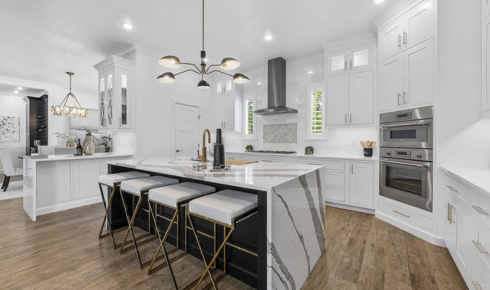
Kitchens are where life happens. They’re where you burn the pancakes, where the kids do homework, where you sneak late-night snacks, and where everyone ends up at parties—no matter how big the rest of the house is.
So when it comes to kitchen design, you can’t just think in terms of “trendy.” You’ve got to think in terms of real. How do you move? Are you a “everything within reach” cook or a “spread it all out” type? Do you want an island that doubles as a dining table, or a dedicated prep zone with space to roll out dough?
A beautiful kitchen that doesn’t work is like a stunning pair of shoes that pinch with every step. Good design makes it beautiful and effortless. It considers sightlines, storage, lighting, workflow, and the quiet ways your kitchen needs to support your lifestyle.
Designing Bathrooms That Actually Work for You
Bathrooms are so much more than functional—they’re intimate spaces of routine, ritual, and sometimes, escape. But too often, bathroom design gets reduced to tile choices and tapware.
A well-designed bathroom makes your morning feel less rushed and your evening feel like a deep exhale. It understands that lighting matters when applying makeup. That storage for real life items (not just spa accessories) is non-negotiable. That ventilation isn’t a luxury. That a deep tub and a handheld showerhead might be the combo you didn’t know you needed.
And don’t get us started on layout. Whether you’re dealing with tight square footage or dreaming of a luxe primary bath, placement matters. That toilet shouldn’t be the first thing you see when the door opens. And if there’s room to separate the wet and dry zones, your future self will thank you.
The Invisible Layer: Smart Space Planning
It’s one of the least “Instagrammable” terms in the design world, but also the most important: space planning. If the flow is off, no amount of expensive finishes will save a space from feeling awkward or cramped.
Space planning is the art of figuring out how you live and then designing the environment to support it. It’s knowing that your kids drop their backpacks by the front door and creating a built-in cubby system so the mess doesn’t take over the hallway. It’s positioning your kitchen island so it invites conversation without blocking traffic. It’s making sure the ensuite doesn’t feel like an afterthought.
Good space planning is invisible when done well—but you feel it every day. It makes your home more usable, more intuitive, and more joyful.
Avoiding the Trap of Copy-Paste Design
Inspiration is everywhere. Instagram. Pinterest. HGTV. But the danger is in replicating what looks good on screen without asking: Will this work for me?
That oversized farmhouse sink might look great, but if you’re short on counter space, you’ll resent it after the second meal prep. That open shelving trend? Gorgeous—but maybe not if you’ve got mismatched Tupperware and zero time to style dishes.
Great design listens first. It listens to how you move, how you relax, how many people share the space, what annoys you, what delights you. Then it filters inspiration through that lens—and what comes out is design that’s not only pretty but personal.
It’s Okay to Start Small
You don’t need a full renovation or endless budget to start designing better. Sometimes it’s reconfiguring what you already have. Sometimes it’s upgrading lighting or moving a piece of furniture. Sometimes it’s planning now so you can remodel next year without the stress.
And when it is time to go big—whether you’re gutting a kitchen or expanding a bathroom—do it with clarity. Bring in help if you can. Collaborate. Ask questions. Trust your gut. And don’t be afraid to push back on something that doesn’t sit right, even if it’s “what everyone is doing.”
Final Thought: Design That Lives With You
At its best, design isn’t about perfection. It’s about presence. It’s not about impressing your guests—it’s about feeling at ease in your own space. It’s not about the latest trend—it’s about what makes sense for the way you live.
So whether you’re knee-deep in kitchen design, reimagining your bathroom design, or trying to wrap your head around better space planning, remember: this is your home. Your story. Your backdrop to the messy, beautiful rhythm of daily life.