Clean Water, Clear Conscience: Why Hydrogen Peroxide Might Be the Unsung Hero of Water Treatment

When you think about water purification, chances are chlorine or fancy filtration systems come to mind. Maybe UV lights. Maybe carbon filters. But one underrated powerhouse has quietly been doing the job for decades — without the harsh smells or complicated setups: hydrogen peroxide.
No, not the little brown bottle in your medicine cabinet. We’re talking food-grade, high-purity hydrogen peroxide used specifically for improving the quality of water in residential wells, commercial systems, and even agricultural setups. And it’s gaining traction fast among homeowners, farmers, and off-grid enthusiasts alike.
So, why the surge in popularity? Let’s break it down in real-world terms.
When Clean Isn’t Quite Clean Enough
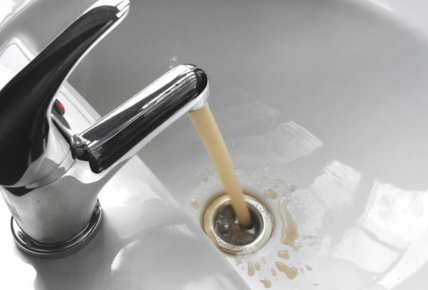
You might be surprised how many people are unknowingly drinking, showering, or cooking with water that looks fine — but isn’t. It could have excess iron, sulfur (hello, rotten egg smell), bacteria, or other contaminants that sneak past basic filters. And in rural areas or homes relying on private wells, it’s an even bigger concern.
That’s where hydrogen peroxide water treatment comes into the picture. This isn’t some niche, experimental solution. It’s been used by professionals and DIYers alike to neutralize iron, oxidize sulfur, and knock out bacteria in a clean, chemical-free way. And unlike chlorine, it doesn’t leave behind any taste, odor, or residue.
The Science Without the Jargon
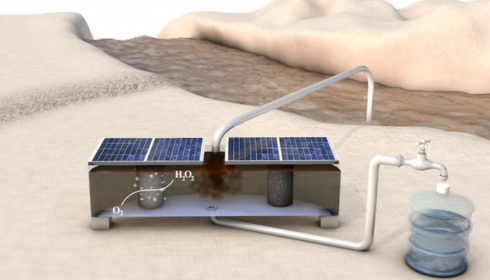
If you’re not into chemistry (honestly, most of us aren’t), here’s the simplified version: hydrogen peroxide (H₂O₂) is essentially water with an extra oxygen molecule. That bonus oxygen makes it a powerful oxidizer. When it’s added to water, it reacts with contaminants — think iron, manganese, or hydrogen sulfide — and breaks them down so they can be filtered out easily.
One of the cool things about hydrogen peroxide for water treatment is that it breaks down into plain ol’ water and oxygen after doing its job. No toxins. No chemical buildup. It’s efficient, fast-acting, and way gentler on plumbing and the environment compared to traditional disinfectants.
A Farmer’s Secret Weapon
It’s not just suburban homes and cabins tapping into the power of H₂O₂. Farmers, especially those running organic or semi-organic operations, are using it to treat irrigation systems. Why? Because clean water helps with healthier crops, fewer clogs in irrigation lines, and better soil conditions. It’s also used in hydroponic systems, where water quality is quite literally everything.
Even backyard chicken keepers and homesteaders are adding hydrogen peroxide to their livestock’s water to reduce bacteria and keep things fresh. It’s one of those “once you know, you know” kind of tools.
Practical Use Without the Headache
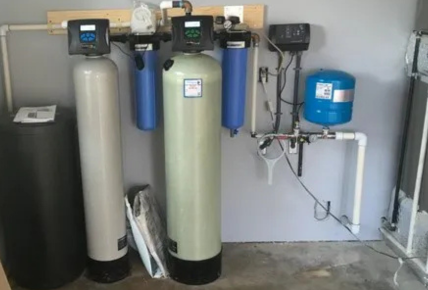
If you’re imagining some complicated pump system or industrial-grade setup, take a deep breath. Most residential hydrogen peroxide systems are straightforward. You usually have a holding tank and a small injection pump that doses the water as it enters your home system. The peroxide does its thing, and a backwashing filter clears out the oxidized junk.
Maintenance is pretty minimal, too. You just top off the hydrogen peroxide when it runs low — no fancy rituals or constant babysitting.
Now, here’s the thing: you do need to use the right grade and strength. That’s why knowing where to buy hydrogen peroxide for water treatment is crucial. You can’t just grab any old bottle off the pharmacy shelf. Most water treatment systems use food-grade 7% or 35% solutions. These are available through water treatment suppliers, agricultural stores, or specialty online retailers. Some even offer auto-shipping so you don’t have to worry about running out.
What It’s Not (And Why That’s a Good Thing)
Hydrogen peroxide isn’t a silver bullet — no single water treatment method is. It won’t remove fluoride, for instance, and if you’re dealing with extremely hard water, you’ll still need a softener.
But it’s an incredibly powerful ally when used for the right problems. Iron stains? Gone. Sulfur stink? Handled. Bacterial slime coating your pipes? Say goodbye.
Best part? No pool-like taste. No headaches from over-chlorination. Just clean, fresh water.
Is It Safe?
Yes — when used correctly. And that’s key. Always follow dosage recommendations, use proper storage containers, and make sure your system is set up by someone who knows what they’re doing (if not you, then a reputable installer). Like anything, mishandling chemicals isn’t something to take lightly — even natural ones.
But when respected and properly applied, hydrogen peroxide is one of the safest, cleanest ways to improve your water without compromising your health or the environment.
A Final Sip of Clarity
We spend so much money making our homes comfortable — from mattresses to coffee makers to smart lighting — but what about the water that flows through every single room? Whether it’s bathing your kids, cooking your food, or watering your backyard garden, that water matters.